Book soon Openers · Toronto
Belt-Drive Opener Repair
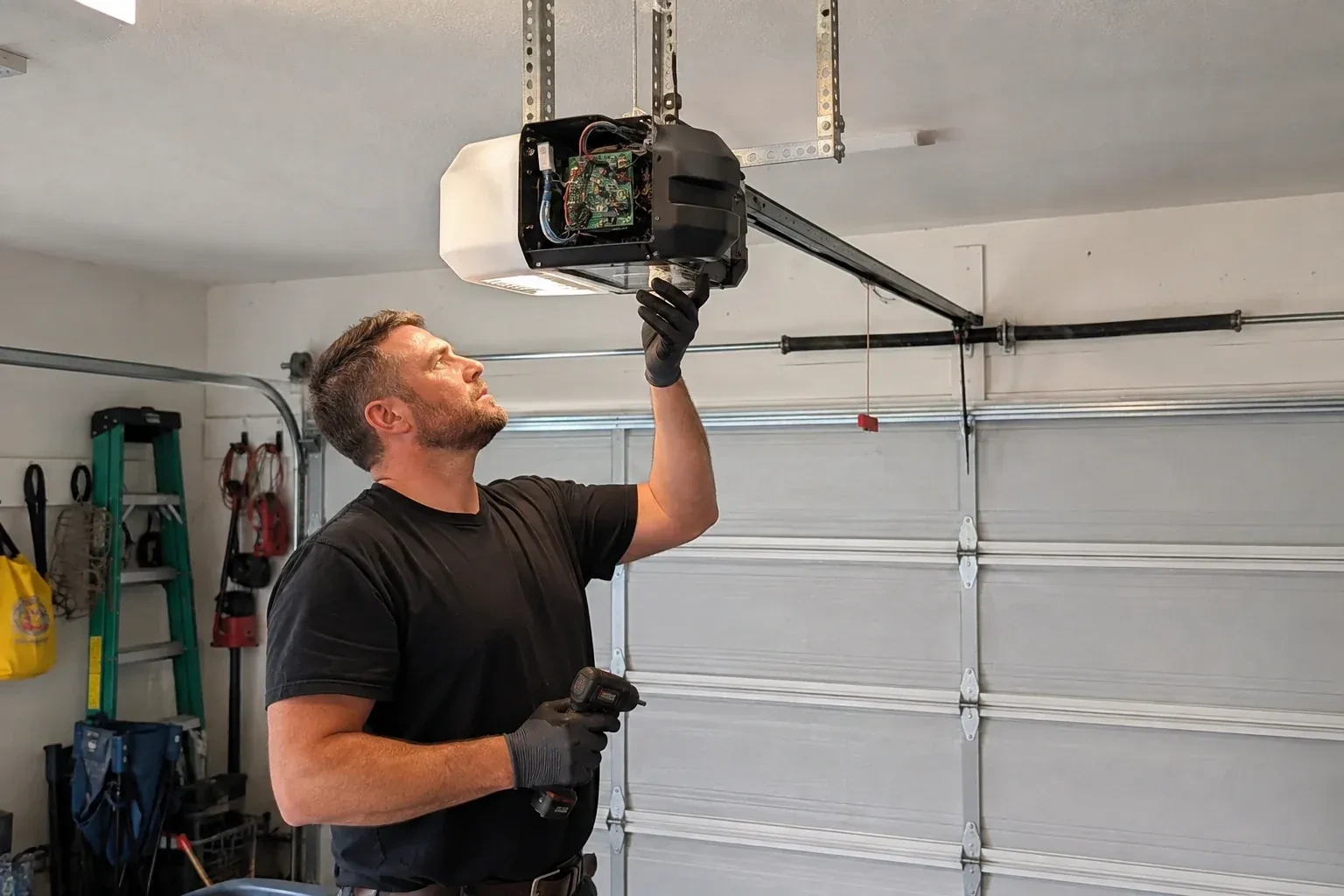
Halfway up, every single time, the door hesitates and there is a ratcheting sound from the motor head, then it carries on. A closer look shows a stretch of the belt where the teeth are worn almost flat.
Call now · open 24/7(289) 301-8323Right now
Before the door is looked at
Call (289) 301-8323, open 24/7.
Pull the release with the door fully closed whenever possible, and keep the opening clear as you do. Once the trolley lets go, the door is held by its springs alone, and a closed door can still shift unexpectedly.
Never raise the force setting to push a door through a frozen seal, a stiff track or a tired spring; force is set as low as reliably closes the door, and the reason the door is hard to move is fixed instead.
In plain words
A belt drive is chosen for its quiet, so one that has started to rattle is saying something specific. Sprocket noise usually means the belt is either too loose or too tight. A squeal from the front of the rail points to the idler pulley bearing. A clack at the same point in every cycle is a run of worn teeth or a rail joint out of line. A hum with no movement is a broken clip, a stripped gear or a belt off its sprocket. Repair means reading those sounds, confirming them by inspection and replacing the one component responsible, so the operator returns to its hush.
How the visit goesThe door used to glide up with a soft hum. Now there is a sharp clack every second or so, and if you stand underneath you can see the belt sagging below the rail and slapping it on the way up.
Belt-Drive Opener Repair · Toronto
How the visit goes
- 1
Balance first, belt second
Nothing on the belt drive is judged until the door has been lifted by hand. The technician unplugs the operator, pulls the red cord to free the trolley and raises the door: it should rise with moderate effort, stay put about a metre off the floor and settle gently at the top. A belt is designed to guide a balanced door, not to lift a heavy one, so a door that sags or drops is loading the belt, trolley and sprocket far beyond their design. That is spring work, agreed as its own item before any belt is replaced, otherwise a new belt would simply wear out the way the old one did.
- 2
Gear and sprocket at the motor head
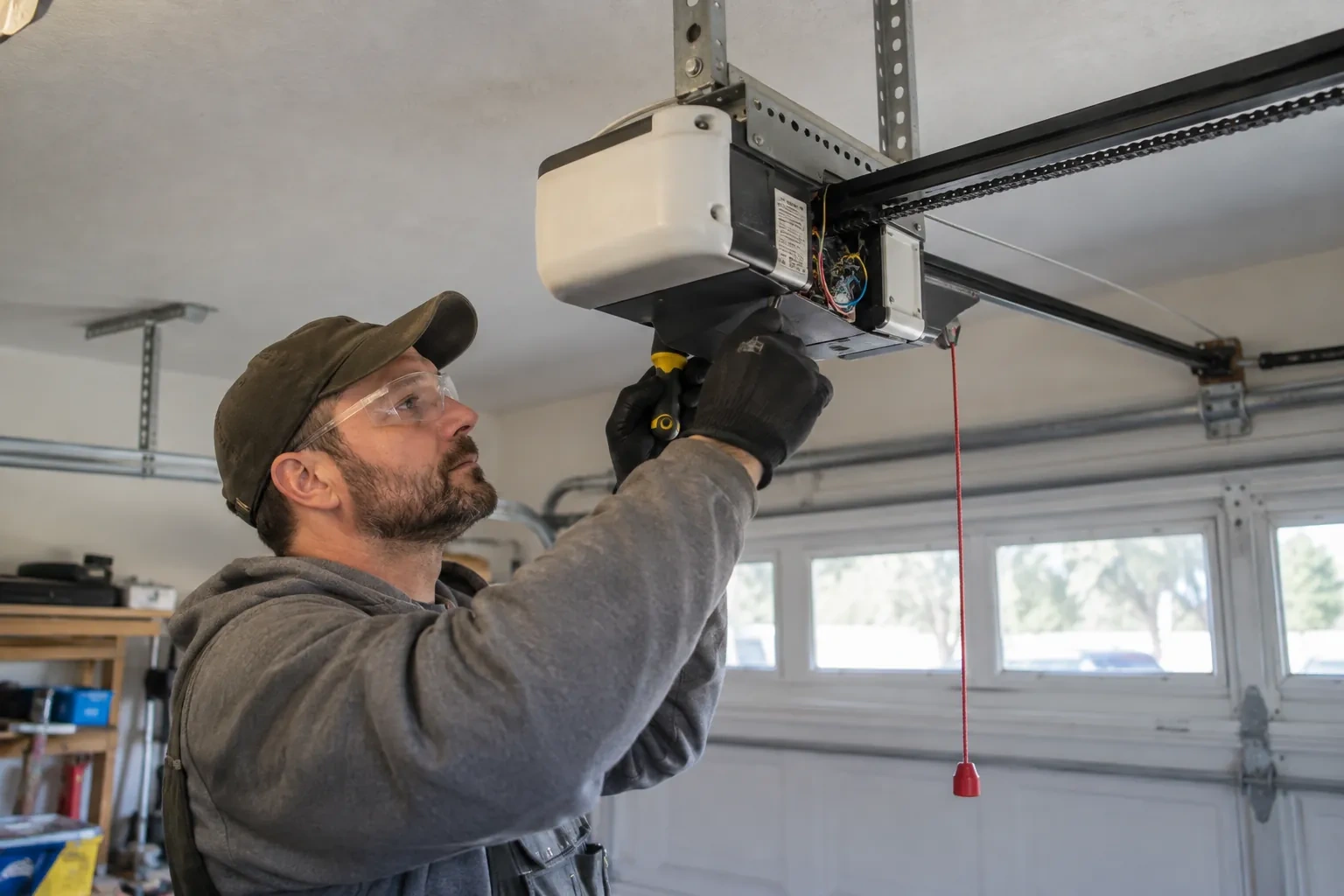
When the shavings on the housing say the drive gear has stripped, the head unit's cover comes off and the gear-and-sprocket kit is replaced as a set. The belt is lifted off the sprocket, the old sprocket shaft and worm gear are withdrawn from the housing, the new gear is greased with the light grease the maker names and fitted with its bushings, and the sprocket is set back on top. The technician checks the motor shaft's end play, since too much play is often why the gear stripped in the first place. The belt is refitted, tensioned and phased, and the operator is run to confirm the sprocket turns true and quiet.
- 3
A door that is balanced under a belt that is right
Because the door was tested by hand before the belt was touched, you leave with the springs and the drive in agreement. Once a season, with the door closed, unplug the operator, pull the release and lift the door to about a metre: it should stay there. If it drifts down or creeps up, the springs have moved and the belt will soon be working harder than it should, so book a spring adjustment before the belt shows it. A door that hesitates at one point in its travel with the operator disconnected is telling you about a roller or a hinge rather than the belt, and that too is a small visit.
In the van
- Door arm and clevis pins
- Reinforced drive belt with clip
- Idler pulley and bearing
- Garage-door lubricant for hinges and rollers
- 2x4 offcut for the reversal test
What affects the quote
- 1
How far the technician drives
A garage on the edge of town and one down a long rural road take different time to reach, and that trip is a line of the quote.
- 2
Belt length and type
A belt for an 8 ft door rail is longer than one for a 7 ft rail, and belts differ by maker and tooth pitch, so the part named on the quote follows the operator's model.
- 3
Height of the ceiling
Where the operator hangs under a tall or vaulted ceiling, the sprocket and idler are reached from taller ladders and the work at the head takes longer.
Same fees day, night or weekend.
Belt-Drive Opener Repair: questions
How long should a belt last once repaired?
A belt's life is counted in cycles and years, and on a balanced door with the rail straight and the tension right it runs for many years. What shortens it is a heavy door, an over-tight adjustment, a bent rail rubbing one edge, or grease on the rubber. Keep the door balanced and lubricated, the belt dry, and glance along the rail a few times a year.
The motor runs but the door stays still. What has happened?
Something between the motor and the door has let go. On a belt drive the usual suspects are a broken clip where the belt joins the trolley, a belt that has jumped off the sprocket or idler pulley, a trolley that failed to re-engage after the red cord was pulled, or a stripped drive gear inside the motor head, which leaves plastic shavings on the housing. Each is a specific repair.
What does out of phase mean, and why does my door stop short?
When the belt has been off the sprocket, or the motor has run without it, the motor's idea of where the door is no longer matches where the trolley sits. The door then stops short at one end however the limits are turned. The technician lifts the belt off, runs the sprocket to its closed position, refits the belt with the trolley at the closed end and relearns the limits.
Openers & Access
Bigger photo, sooner job: Emergency Book soon Plan ahead
 Book soonGarage Door Opener Diagnosis and RepairThe door goes up perfectly.
 Book soonChain-Drive Opener RepairThe motor runs, you can hear it working, but the door never moves.
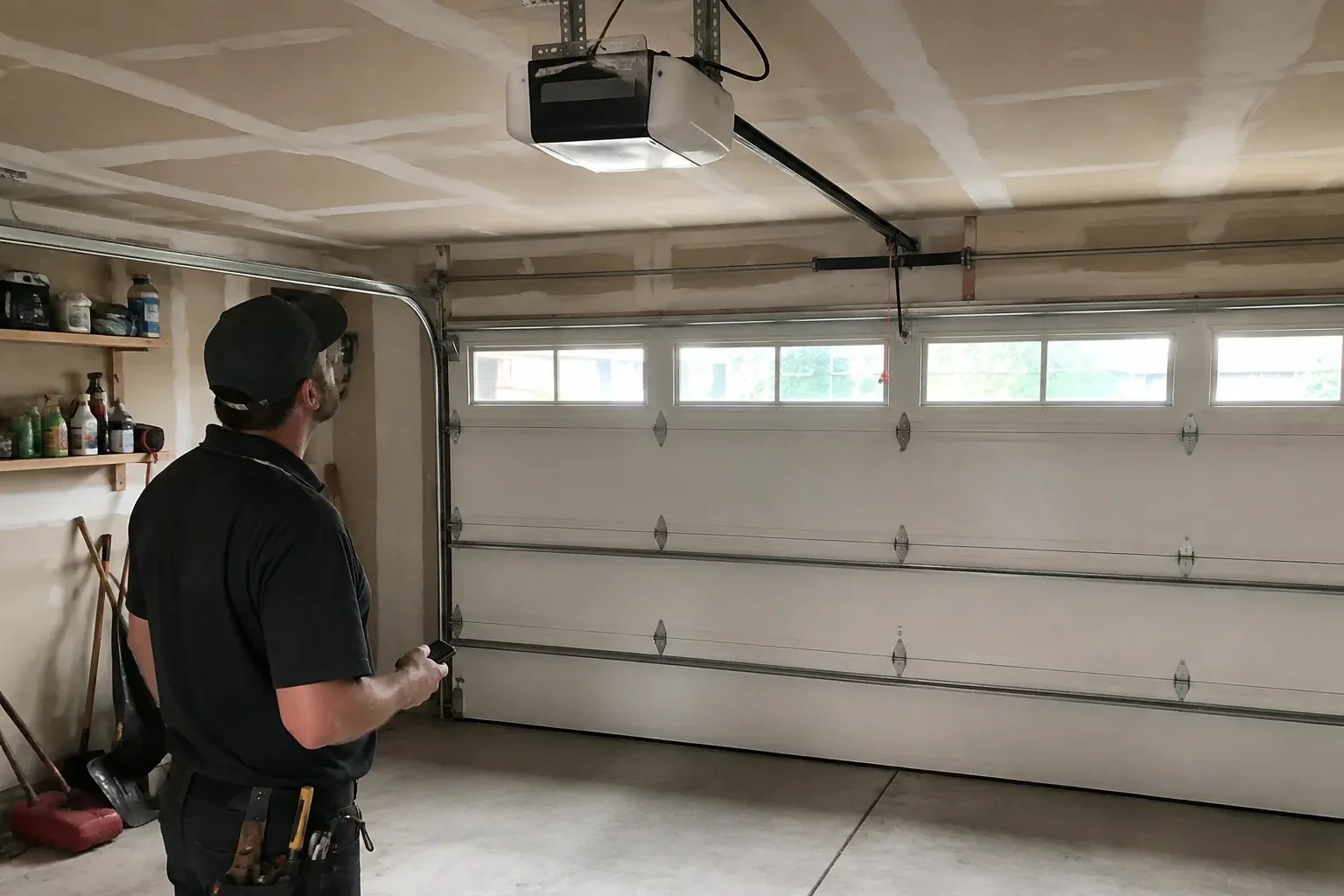 Plan aheadGarage Door Opener Replacement
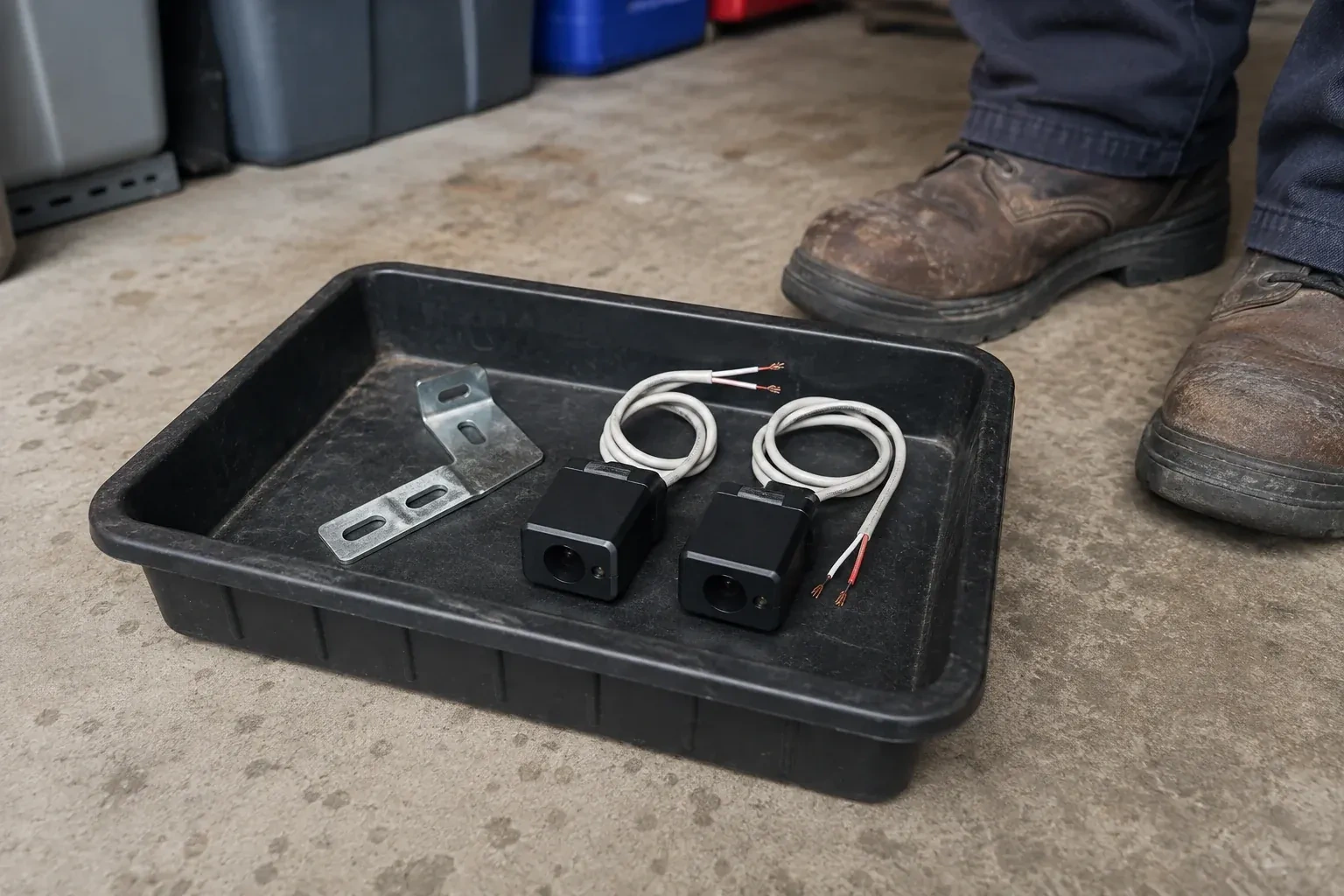 Book soonPhoto-Eye Sensor Alignment or ReplacementOn bright mornings the door will not close, then by lunchtime it behaves itself.
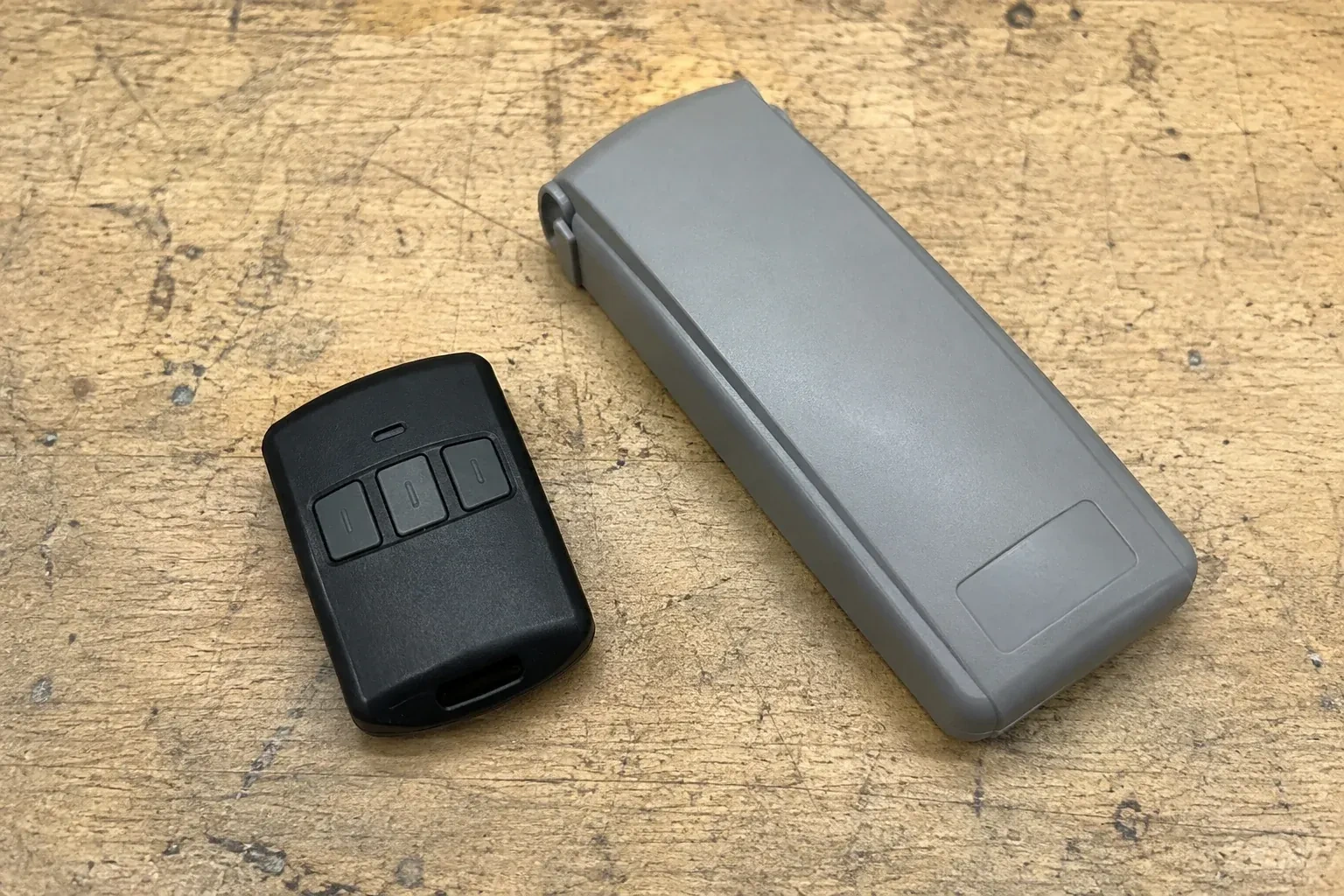 Plan aheadGarage Door Remote and Keypad Programming
Belt-Drive Opener Repair near you
Toronto, Ontario
Toronto information
- Town
- Toronto, Ontario
- In business
- 19 years
- Hours
- Open 24/7 · nights, weekends and holidays, same fees
- Phone
- (289) 301-8323
- Visits
- On-site assessment preferred. Request a visit or call.
What the census means at the door
58%
Older homes. About 58% of homes in Toronto were built in 1980 or earlier, according to the 2021 Census.
Wood door frames in an older house settle and swell over the decades, which can leave a door rubbing on one side. Rather than forcing the opener, the technician trues the tracks, adjusts the jamb seals and sets the door so it travels freely again.
23%
Single-detached houses make up about 23% of homes in Toronto (2021 Census).
Where most homes are townhouses, condos or apartments, garage doors are often shared: a single overhead door or gate serving an underground or common garage. Those doors run on commercial operators built for constant use, and their upkeep is usually arranged through the building's management.
Nearby
Open 24/7
Request a visit
Halfway up, every single time, the door hesitates and there is a ratcheting sound from the motor head, then it carries on.
Call now · open 24/7(289) 301-8323- On-site assessment preferred
- Same fees day, night or weekend
- 19 years in business