Book soon Openers · Toronto
Chain-Drive Opener Repair
The motor runs, you can hear it working, but the door never moves. When you look up, the sprocket on top of the head is barely turning, and there is a little drift of pale plastic dust on the cover.
Call now · open 24/7(289) 301-8323Right now
Before the door is looked at
Call (289) 301-8323, open 24/7.
Pull the release with the door fully closed whenever possible, and keep the opening clear as you do. Once the trolley lets go, the door is held by its springs alone, and a closed door can still shift unexpectedly.
Never raise the force setting to push a door through a frozen seal, a stiff track or a tired spring; force is set as low as reliably closes the door, and the reason the door is hard to move is fixed instead.
In plain words
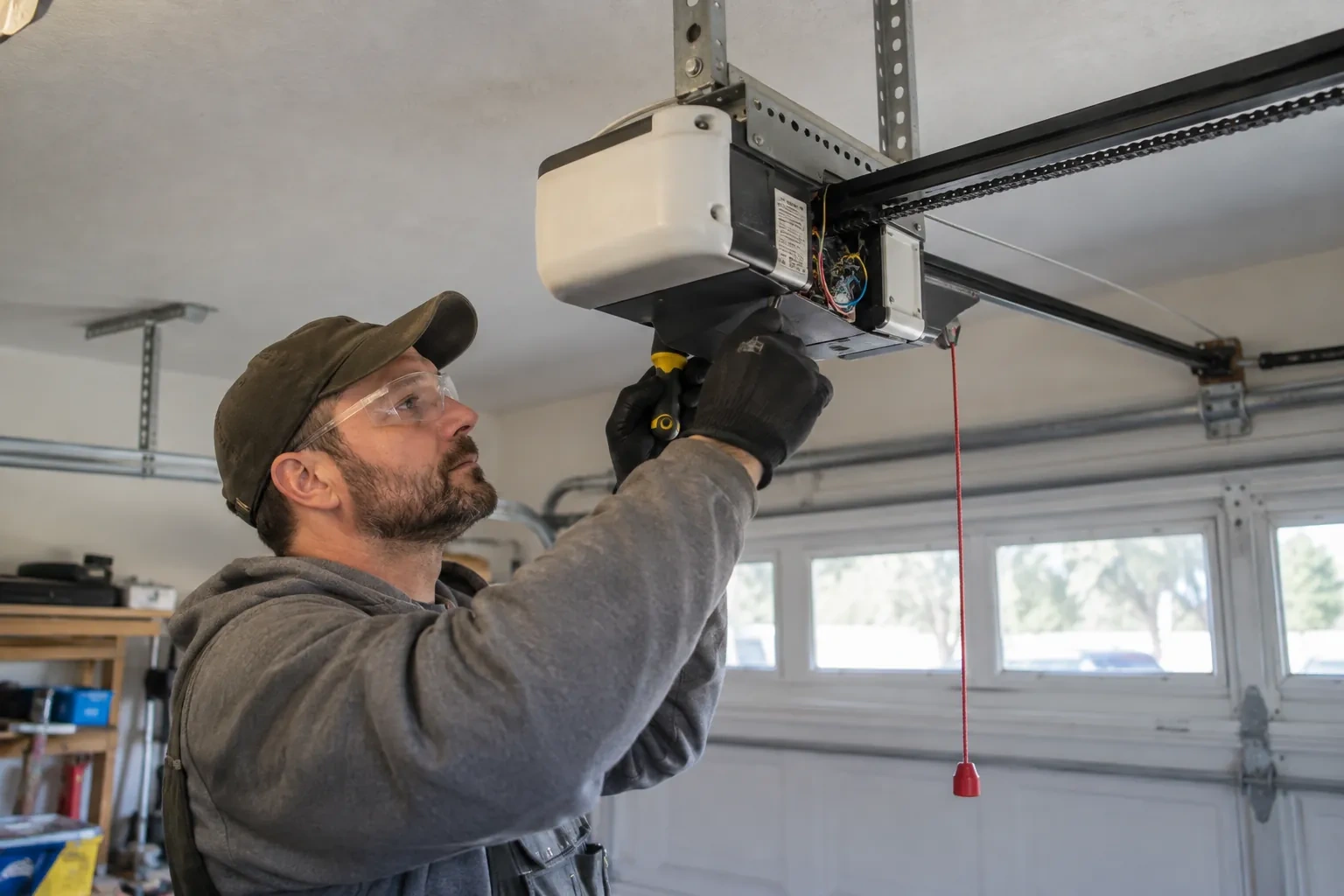
Here is how a visit runs. The technician watches the door run once, then unplugs the operator, pulls the red release and lifts the door by hand to confirm the springs are doing their job. The head cover comes off and the gear, sprocket shaft and capacitor are looked at. The chain, trolley, rail and hangers are inspected along their full length. Worn parts are swapped for the model's own, the chain is phased and tensioned, the limits and force are set, and the door is tested against a block on the floor and an interrupted sensor beam. You are shown the release handle and the monthly checks.
How the visit goesThe rail shakes when the door runs. The steel straps holding it to the ceiling have worked loose, the chain rattles the length of the garage, and a bolt has already dropped onto the hood of the car.
Chain-Drive Opener Repair · Toronto
How the visit goes
- 1
Reading the chain itself
A chain tells its age. The technician runs it through their fingers with the door disconnected, feeling for stiff or seized links, surface rust that has crept into the rollers, and a master link that has spread. Stretch shows as sag: with the door closed, the chain is measured at the middle of the rail against the maker's figure for that make and rail shape, since the correct height is not the same across models. A chain that sits well below that figure after years of use has lengthened and may need replacing rather than tensioning, because taking up too much slack at the trolley leaves the run over the sprocket uneven.
- 2
Setting the tension by the numbers
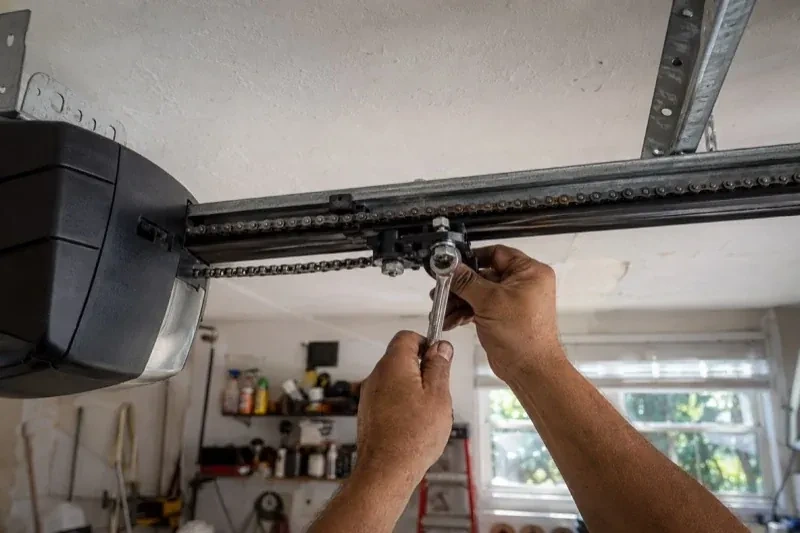
With the door closed and disconnected, the two nuts on the tensioner shaft at the trolley are used in order. The outer nut, nearest the door, is loosened until the chain droops below the rail, the inner nut is backed off to make room, and then the outer nut is turned to raise the chain until it sits at the height the opener's own manual calls for on that rail shape, measured at the rail's midpoint. The inner nut is tightened against it to lock the setting. Once the door is reconnected and closed some droop appears in the chain; that is normal provided the measurement returns with the door open.
- 3
A record of the drive as it is now
Before leaving, the technician writes down what was found and what was fitted: the operator's model and age, whether the gear kit, sprocket, chain, trolley or rail hardware was replaced, the tension figure set, the limit and force positions, and the results of the reversal tests. The manual is hung near the wall control so the model's own instructions are at hand for the monthly tests. This note makes any future call a short conversation, tells a home inspector what has been done, and gives whoever owns the house next a clear picture of what is hanging over the car.
In the van
- White lithium grease
- Idler sprocket or pulley
- Trolley release lever
- Roller chain with master link
- Inner and outer trolley
What affects the quote
- 1
Age of the operator and parts supply
Parts for recent heads are on the van; parts for a unit several decades old may need ordering, and where a maker no longer supplies them the conversation turns to what can be done instead.
- 2
Two operators in one visit
A double garage with two chain drives, or a house and a detached workshop, share the travel and setup and are quoted as one visit with two repairs.
- 3
The gear kit for your model
Drive gear, worm gear and sprocket shaft assemblies are made to fit a particular head, and the kit for an older or less common unit is a different item from the one for a current model.
Same fees day, night or weekend.
Chain-Drive Opener Repair: questions
Why is there white or grey dust on top of my opener?
Those are shavings from the plastic drive gear inside the head. The gear meshes with a steel worm on the motor shaft, and when it wears the teeth flake off and collect under the cover. Once you see shavings the gear is close to stripping, after which the motor runs and the door stays still. Replacing the gear and sprocket assembly before that happens turns a stranded morning into a planned repair.
What does the sprocket do, and how does it wear?
The sprocket is the toothed wheel on top of the motor head that pulls the chain. Every cycle drags the chain over its teeth, and over years the teeth wear thin and hooked, letting the chain ride up and skip under load, often at the same point on the rail each time. A sprocket that has loosened on its shaft lags behind the motor. Worn sprockets are replaced as part of the gear and sprocket assembly.
Can you turn the force up so the door closes on cold mornings?
Force is set to the lightest level that moves the door reliably, and it is raised only a little for a cold garage. Turning it up further to overcome a heavy door or a seal frozen to the slab is not done, because too much force interferes with the safety reversal and can bend the top section. If the door is hard to move in the cold, the springs, rollers or the frozen seal are dealt with instead.
Openers & Access
Bigger photo, sooner job: Emergency Book soon Plan ahead
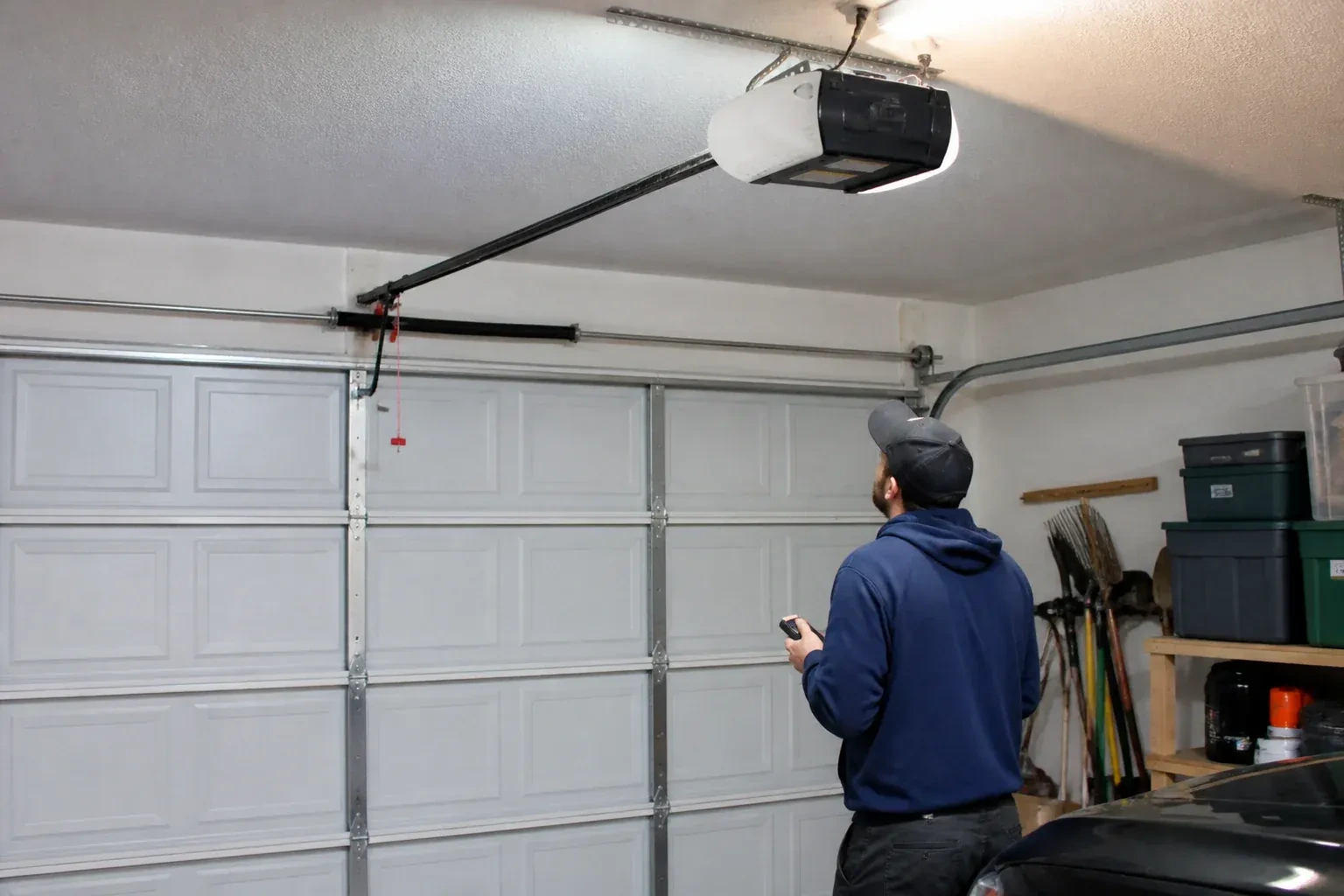 Book soonGarage Door Opener Diagnosis and RepairThe door goes up perfectly.
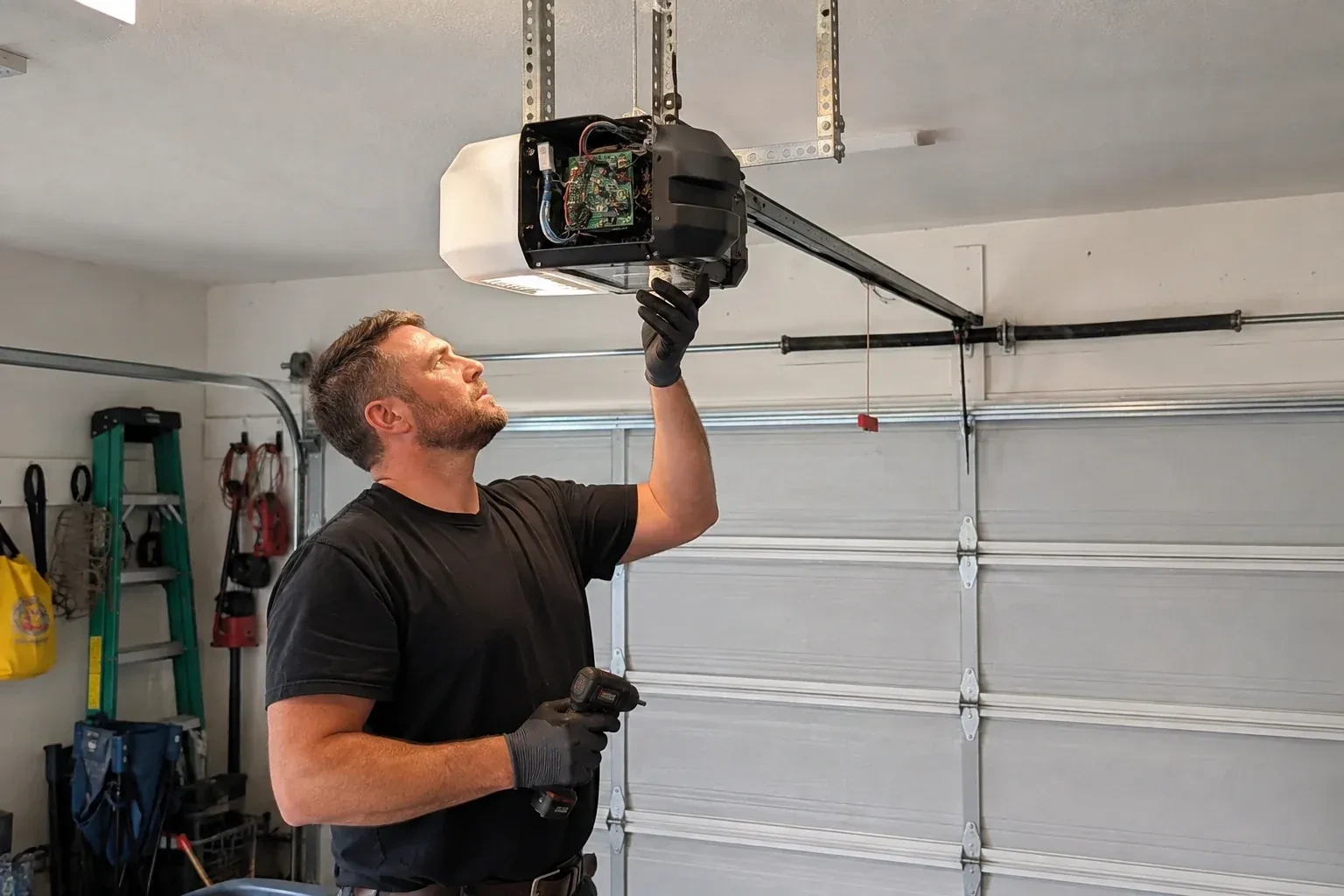 Book soonBelt-Drive Opener RepairHalfway up, every single time, the door hesitates and there is a ratcheting sound from the motor head, then it carries on.
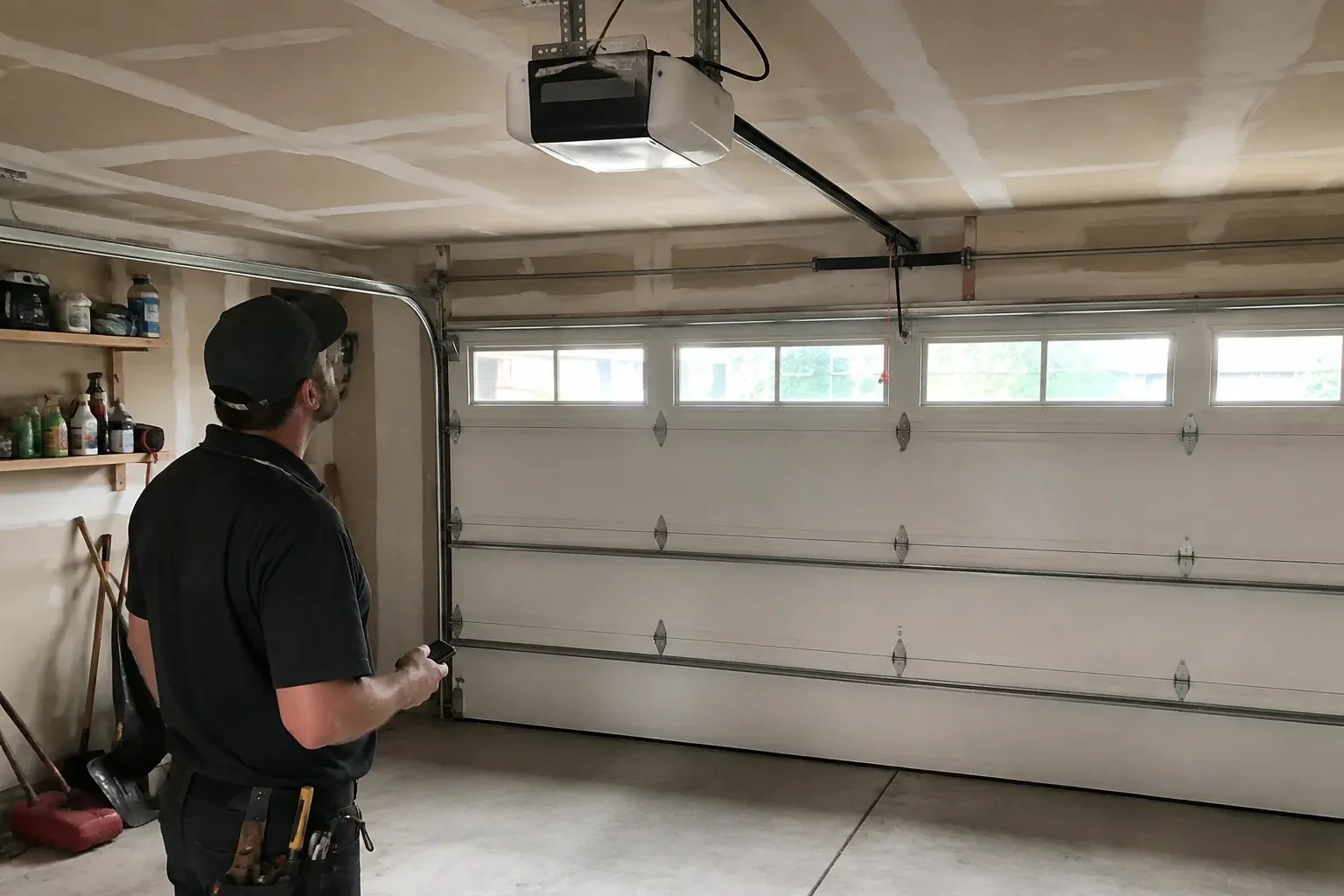 Plan aheadGarage Door Opener Replacement
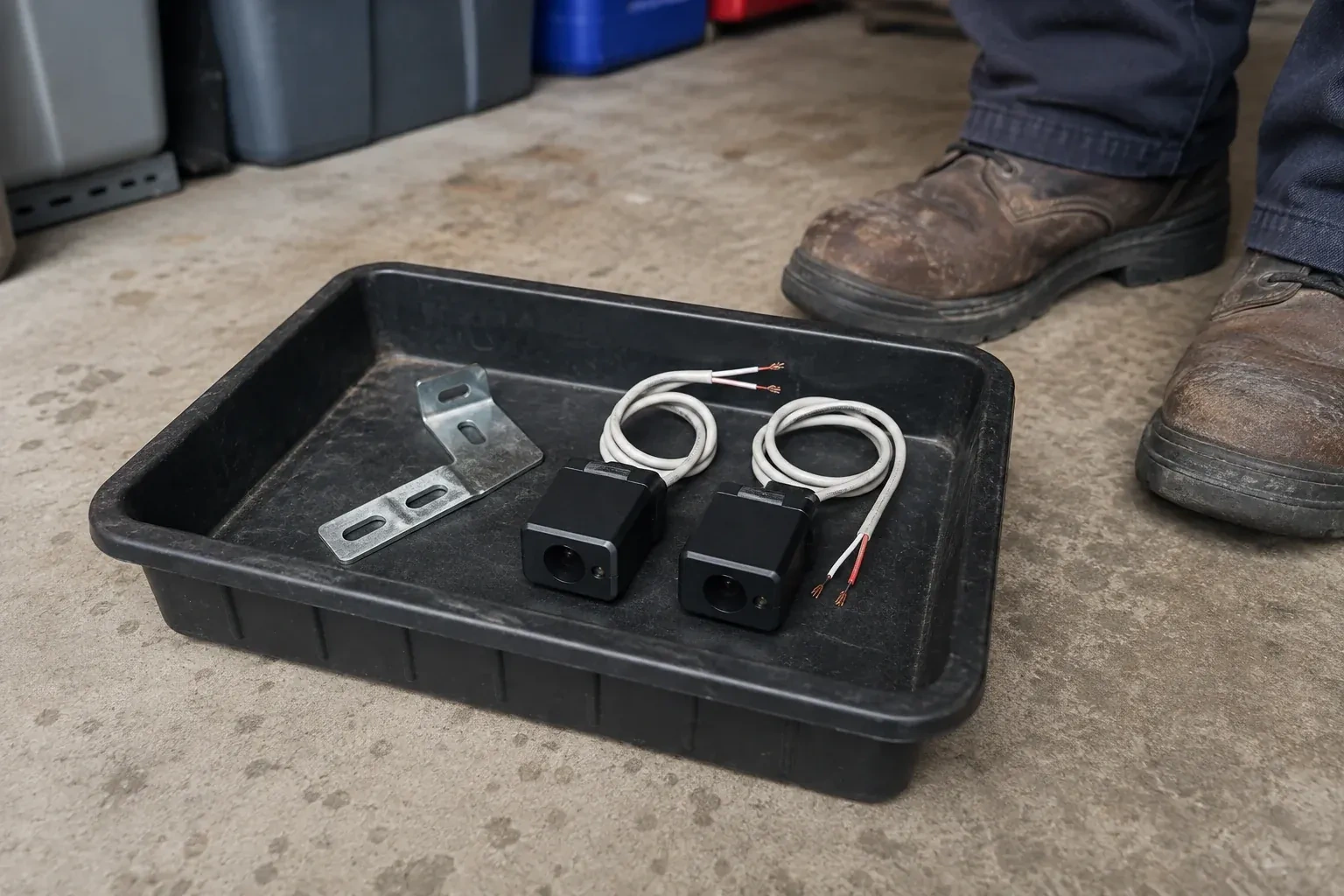 Book soonPhoto-Eye Sensor Alignment or ReplacementOn bright mornings the door will not close, then by lunchtime it behaves itself.
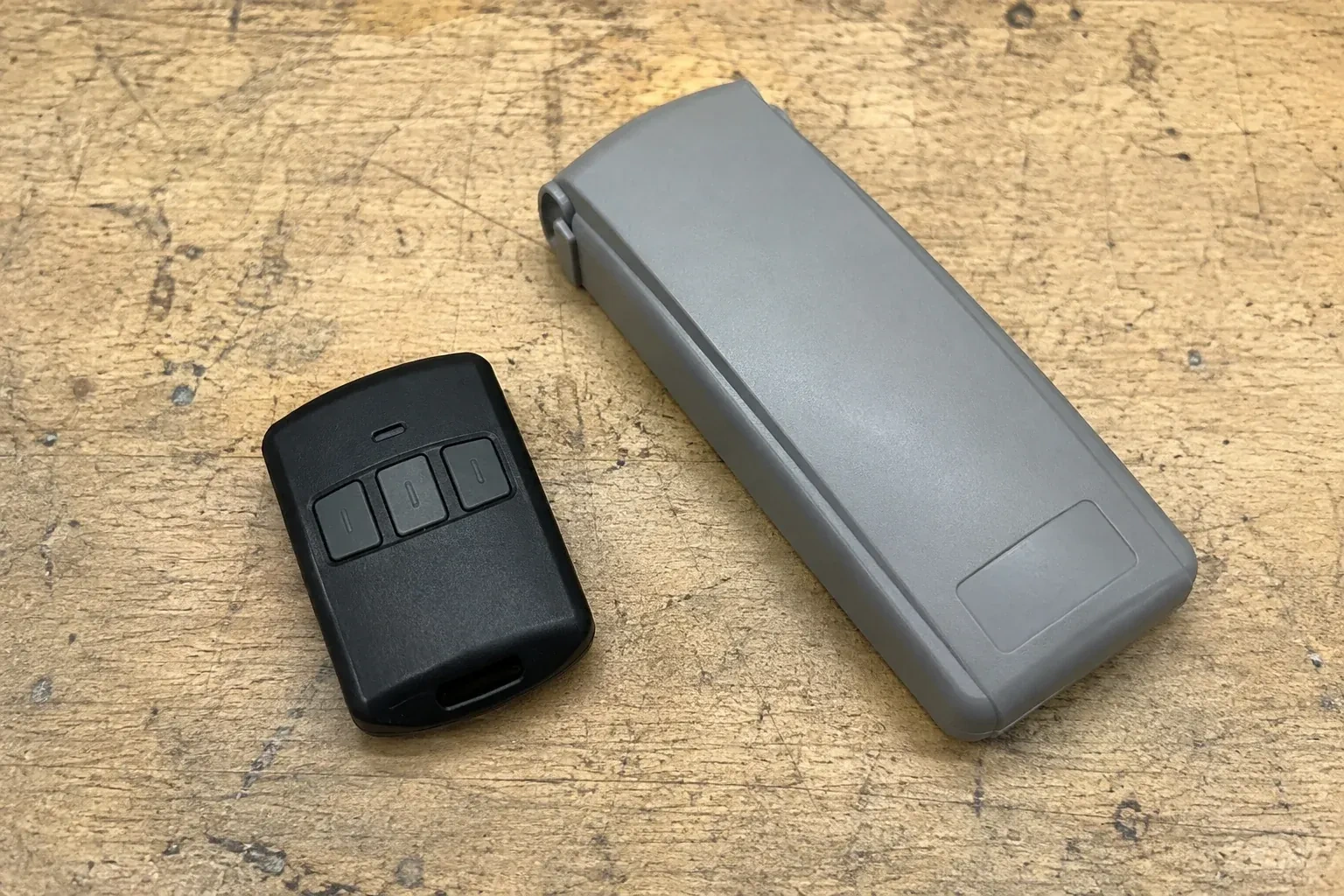 Plan aheadGarage Door Remote and Keypad Programming
Chain-Drive Opener Repair near you
Toronto, Ontario
Toronto information
- Town
- Toronto, Ontario
- In business
- 19 years
- Hours
- Open 24/7 · nights, weekends and holidays, same fees
- Phone
- (289) 301-8323
- Visits
- On-site assessment preferred. Request a visit or call.
What the census means at the door
58%
Older homes. About 58% of homes in Toronto were built in 1980 or earlier, according to the 2021 Census.
Wood door frames in an older house settle and swell over the decades, which can leave a door rubbing on one side. Rather than forcing the opener, the technician trues the tracks, adjusts the jamb seals and sets the door so it travels freely again.
23%
Single-detached houses make up about 23% of homes in Toronto (2021 Census).
Where most homes are townhouses, condos or apartments, garage doors are often shared: a single overhead door or gate serving an underground or common garage. Those doors run on commercial operators built for constant use, and their upkeep is usually arranged through the building's management.
Nearby
Open 24/7
Request a visit
The motor runs, you can hear it working, but the door never moves.
Call now · open 24/7(289) 301-8323- On-site assessment preferred
- Same fees day, night or weekend
- 19 years in business