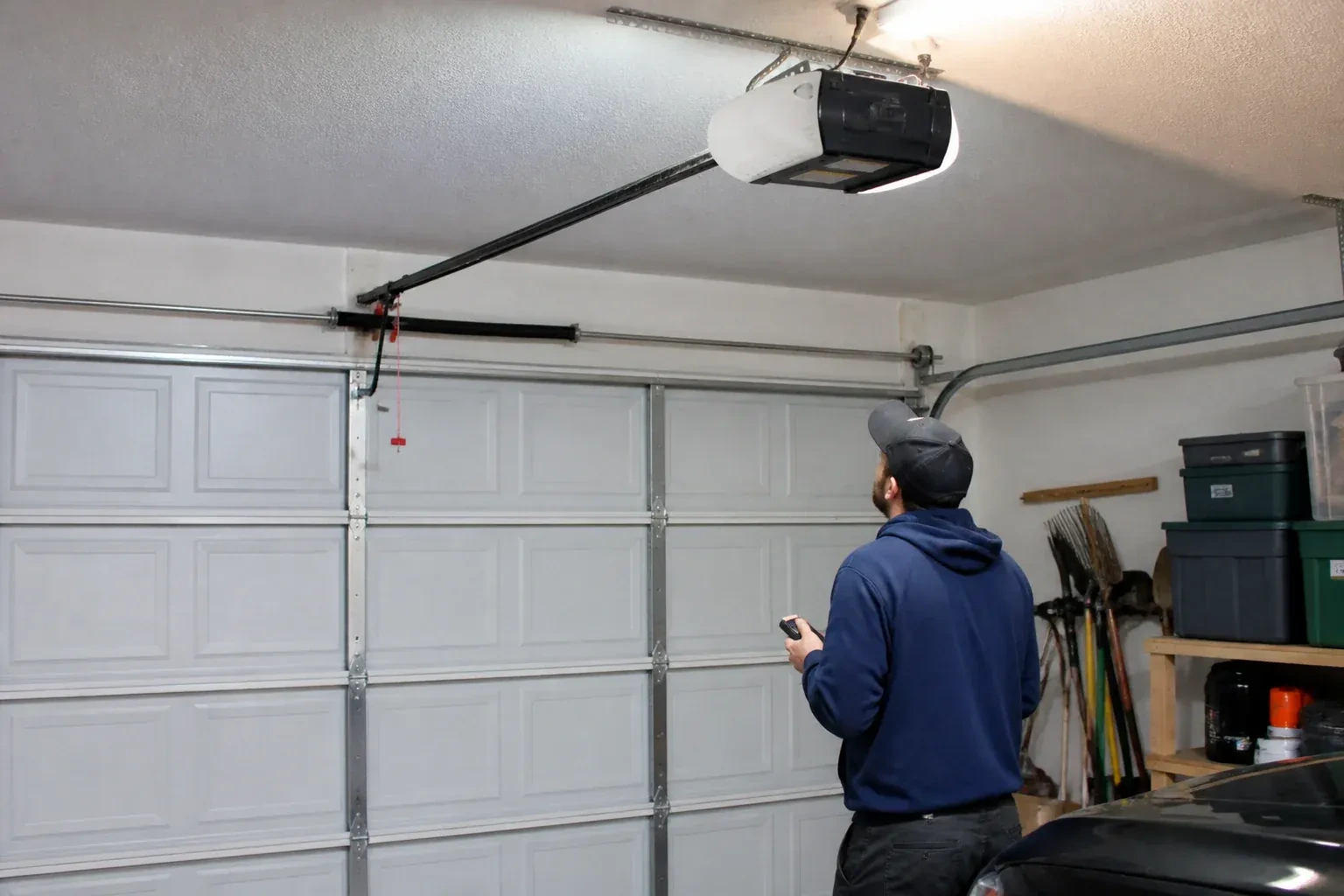
Book soon Openers · Toronto
Garage Door Opener Diagnosis and Repair
The door goes up perfectly. Coming down is the trouble: partway to the floor it stops, climbs back to the top, and the light on the opener blinks at you.
Call now · open 24/7(289) 301-8323Right now
Before the door is looked at
Call (289) 301-8323, open 24/7.
Pull the release with the door fully closed whenever possible, and keep the opening clear as you do. Once the trolley lets go, the door is held by its springs alone, and a closed door can still shift unexpectedly.
Never drive a vehicle at a closed door to get out; the door collapses and the stored tension in the counterbalance is released. Use the release, the outside key release, or a technician.
In freezing weather, check that the bottom seal has released from the slab before using the opener; a door frozen to the floor is the most common winter route to slack cables and a crooked door.
In plain words
What you get from the visit is more than a working door. You get told, in plain words, what was wrong and why it happened: a gear that had run dry for years, a sensor knocked out of line by a snow shovel, a wall control left in lock mode by a visiting grandchild. Small repairs are done on the spot, settings are recorded, and the door is demonstrated on every control you own. You also learn the short monthly test that catches most opener problems before they strand a car, so the next fault is one you notice while it is still small.
How the visit goesThe motor runs, the chain rattles along the rail, and the door does not move a millimetre. You notice the little carriage sliding back and forth on its own. Last week the power was out and someone pulled the red cord to get the car out.
Garage Door Opener Diagnosis and Repair · Toronto
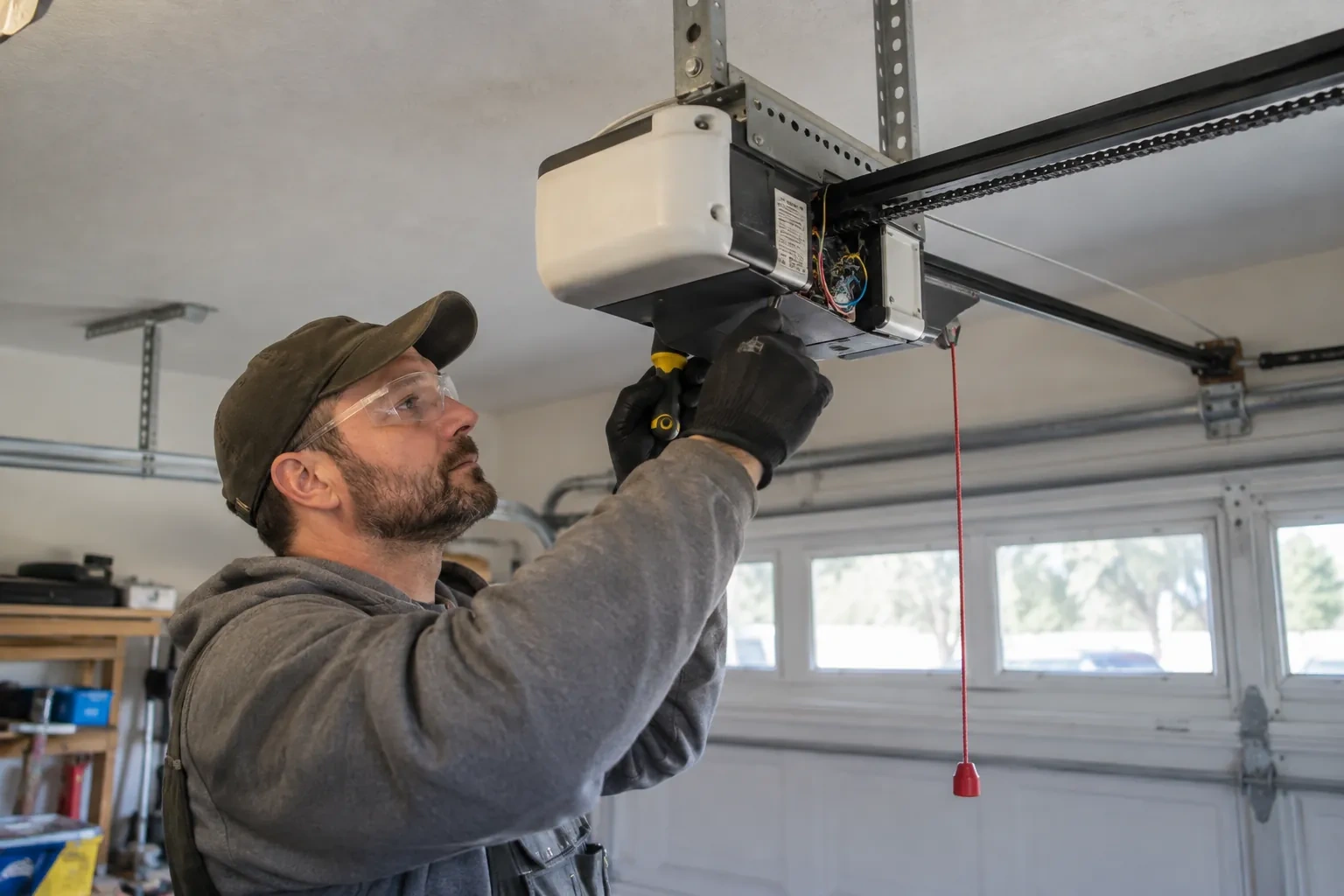
How the visit goes
- 1
What the blinking lights are saying
Many openers describe their own fault. The head unit flashes its light bulbs, or an up arrow and a down arrow, in a numbered pattern, and some display a code on the wall control. The technician counts the pattern, identifies the exact model from its label, and matches the two on the manufacturer's chart: one family of codes means the sensor circuit is open or obstructed, another means the motor was told to move and nothing turned, another means the door needed more force than the limit allows. The code narrows the search; a hands-on test then confirms it, because a wiring fault can imitate a sensor fault.
- 2
Setting travel and force, then proving them
Once the mechanical cause is dealt with, the opener is set up as if newly installed. Travel is adjusted so the door seals gently on the floor without hammering the slab and stops at the top clear of the header. Force is set as low as will reliably move the door through a full cycle in the current season, never higher. Then the door is closed onto a 2x4 lying flat on the floor and must climb back to open the moment it touches; and while closing again, a broom handle is passed through the beam and the door must stop and rise. Failing either means the setup is redone, not accepted.
- 3
Knowing the red handle
The red cord hanging from the rail is the emergency release, and you now know how to use it properly. Pull it only when the door is closed, so a door that turns out to be unbalanced has nowhere to fall. The door then lifts by hand, useful during an outage. To reconnect, most units re-latch when the opener is run and the trolley meets the carriage, or when the door is lifted until it clicks. The handle should hang no higher than about 1.8 metres and clear of the car. If the door feels heavy when released, that is a spring message, not a test of strength.
In the van
- Logic board or receiver
- Transformer and board fuse
- Trolley and carriage
- Chain or belt
- Remote batteries (coin and cylinder cells)
What affects the quote
- 1
Distance to your door
Travel is part of the visit. An address across town and a rural property at the end of a concession road involve different driving, and the quote reflects the trip.
- 2
Wiring to be re-run
Damaged low-voltage wire to the sensors or the wall control is replaced along its whole length and clipped clear of the track, so the distance and route from head unit to door frame affect the time.
- 3
Type of drive
Chain, belt, screw, direct-drive and wall-mounted jackshaft openers each have their own parts and their own labour; a gear kit on a chain unit is a different job from a coupler on a screw drive.
Same fees day, night or weekend.
Garage Door Opener Diagnosis and Repair: questions
What does an opener diagnosis actually involve?
A fixed sequence of checks, done in order so nothing is assumed. Power at the receptacle. Each control tried on its own. The photo eyes and their indicator lights. The head unit's flash code, if it has one. The drive train from motor to trolley. Then the door itself, disconnected and lifted by hand to test its balance. Only after that is a part named and, where it is a small one, replaced during the same visit.
How old is too old to repair?
Age alone is not the test; parts and safety are. The technician checks the exact model and part numbers, because even a unit from the last two decades can have a board, sensor or trolley that is no longer made. Where the parts are available, a repair is usually straightforward. Where a key part is discontinued with nothing to replace it, or the unit predates photo eyes, replacement is the sounder choice even for a small fault. The technician tells you which side of that line your unit sits on.
Can the force just be turned up so the door closes in winter?
Raising force is not the fix; it only hides one. The force setting is the opener's sense of touch, and turning it up so a door pushes through a frozen seal or stiff rollers also means it pushes harder against anything else in its path. The right approach is to free the seal, lubricate the moving parts for cold weather, confirm the balance, and then set force as low as reliably works, proving it with the 2x4 test.
Openers & Access
Bigger photo, sooner job: Emergency Book soon Plan ahead
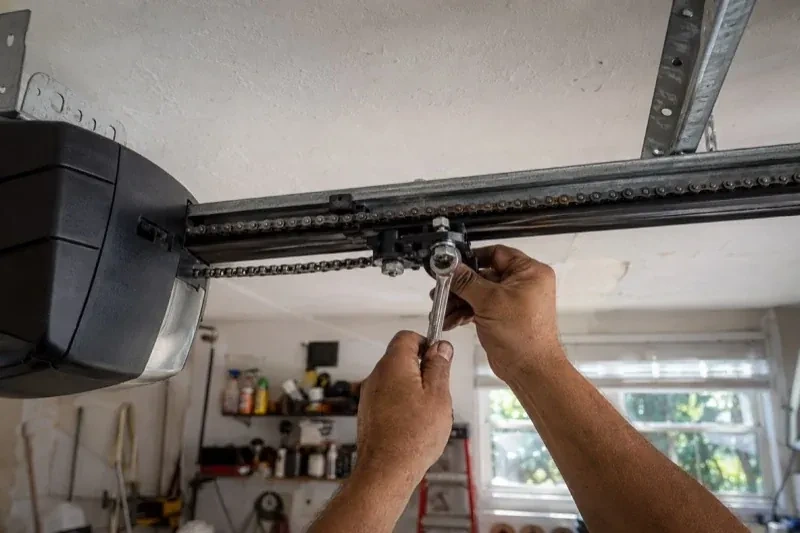 Book soonChain-Drive Opener RepairThe motor runs, you can hear it working, but the door never moves.
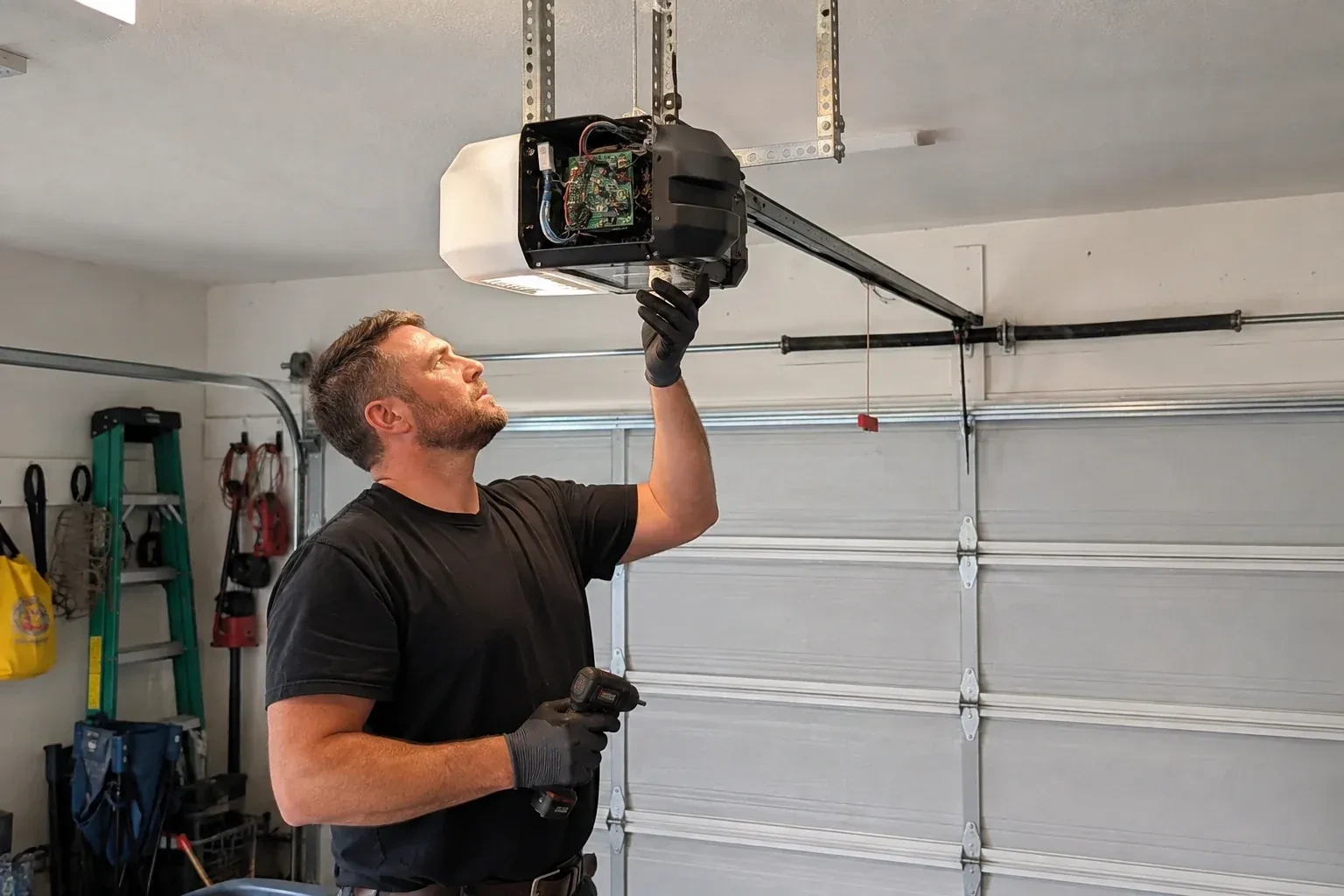 Book soonBelt-Drive Opener RepairHalfway up, every single time, the door hesitates and there is a ratcheting sound from the motor head, then it carries on.
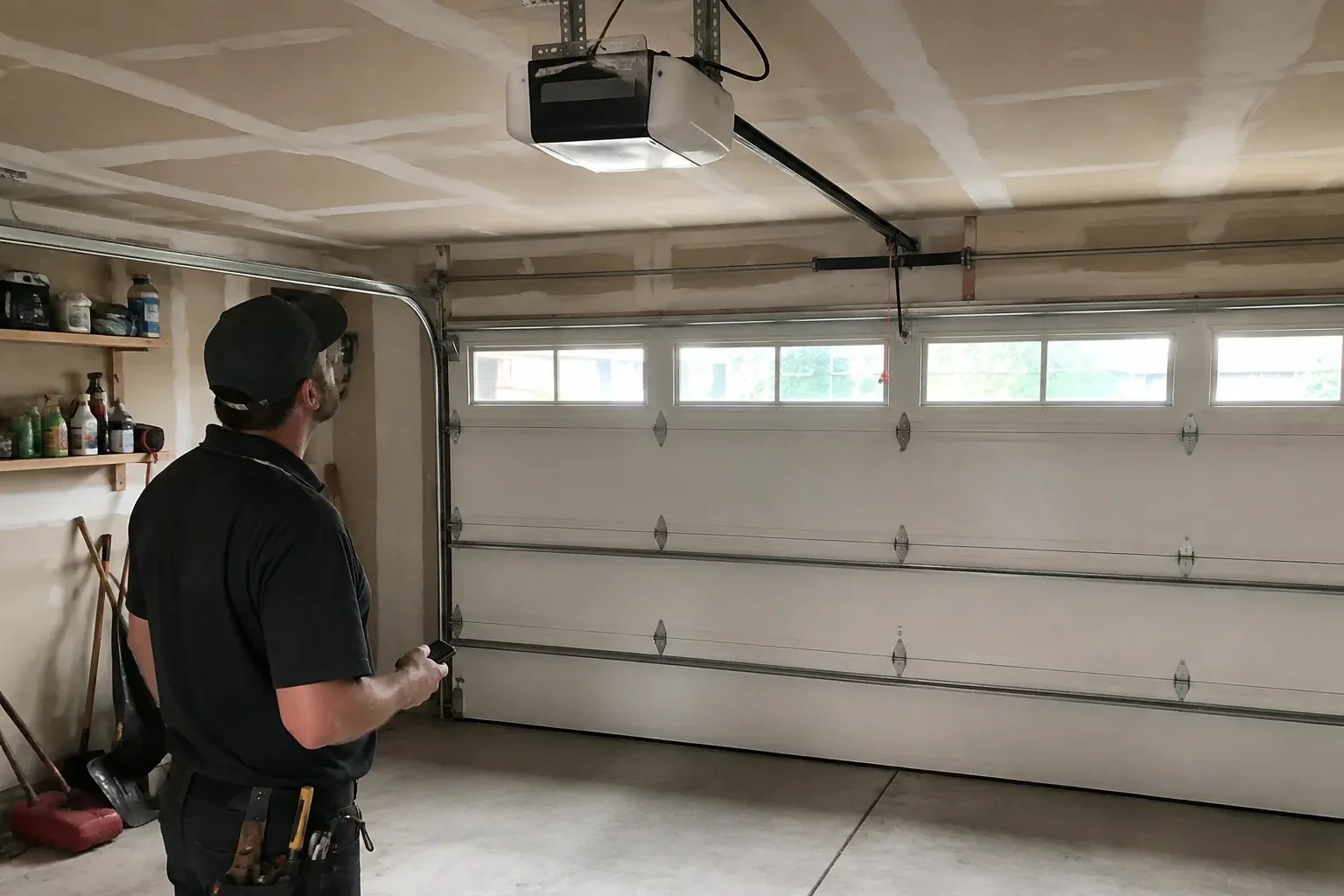 Plan aheadGarage Door Opener Replacement
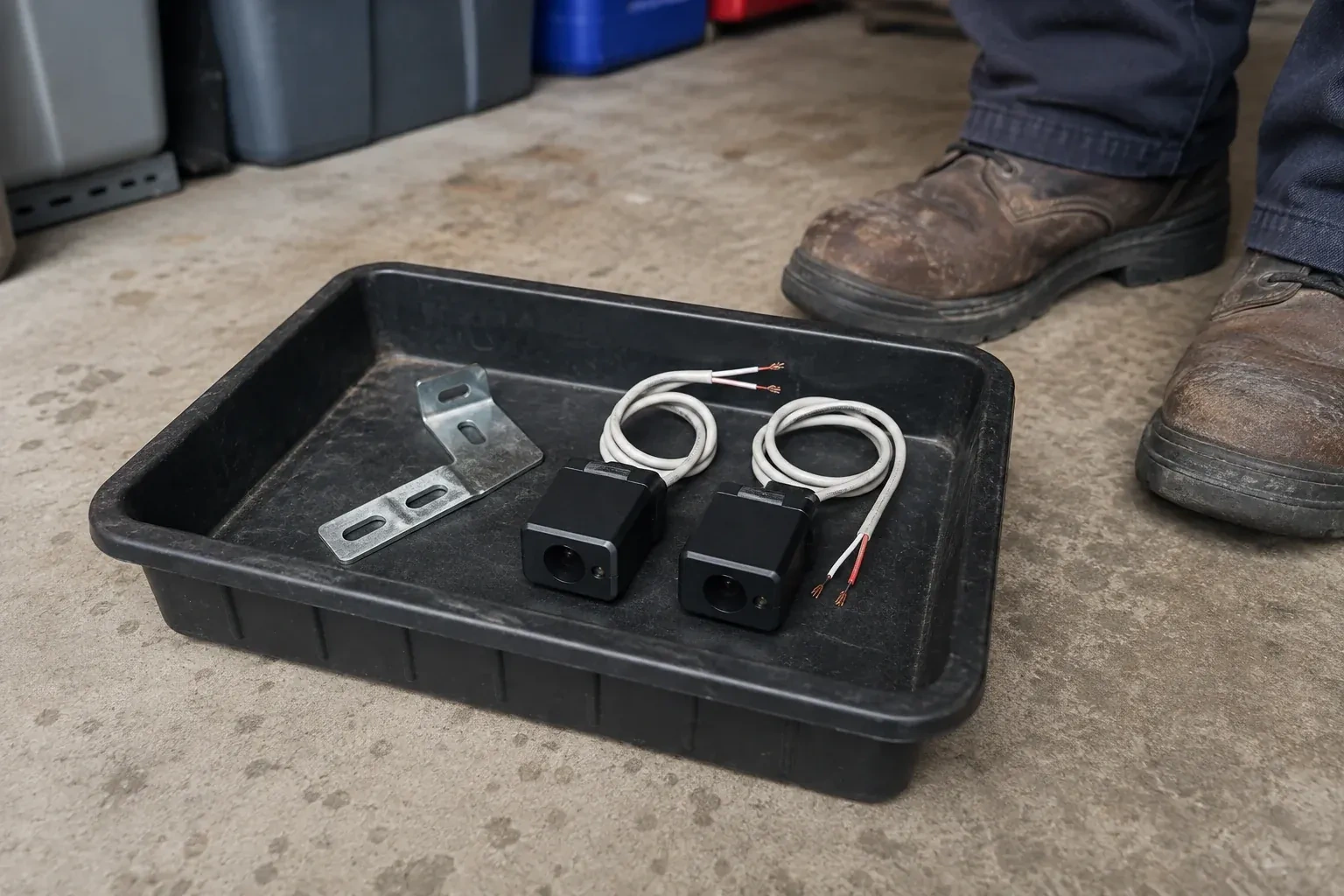 Book soonPhoto-Eye Sensor Alignment or ReplacementOn bright mornings the door will not close, then by lunchtime it behaves itself.
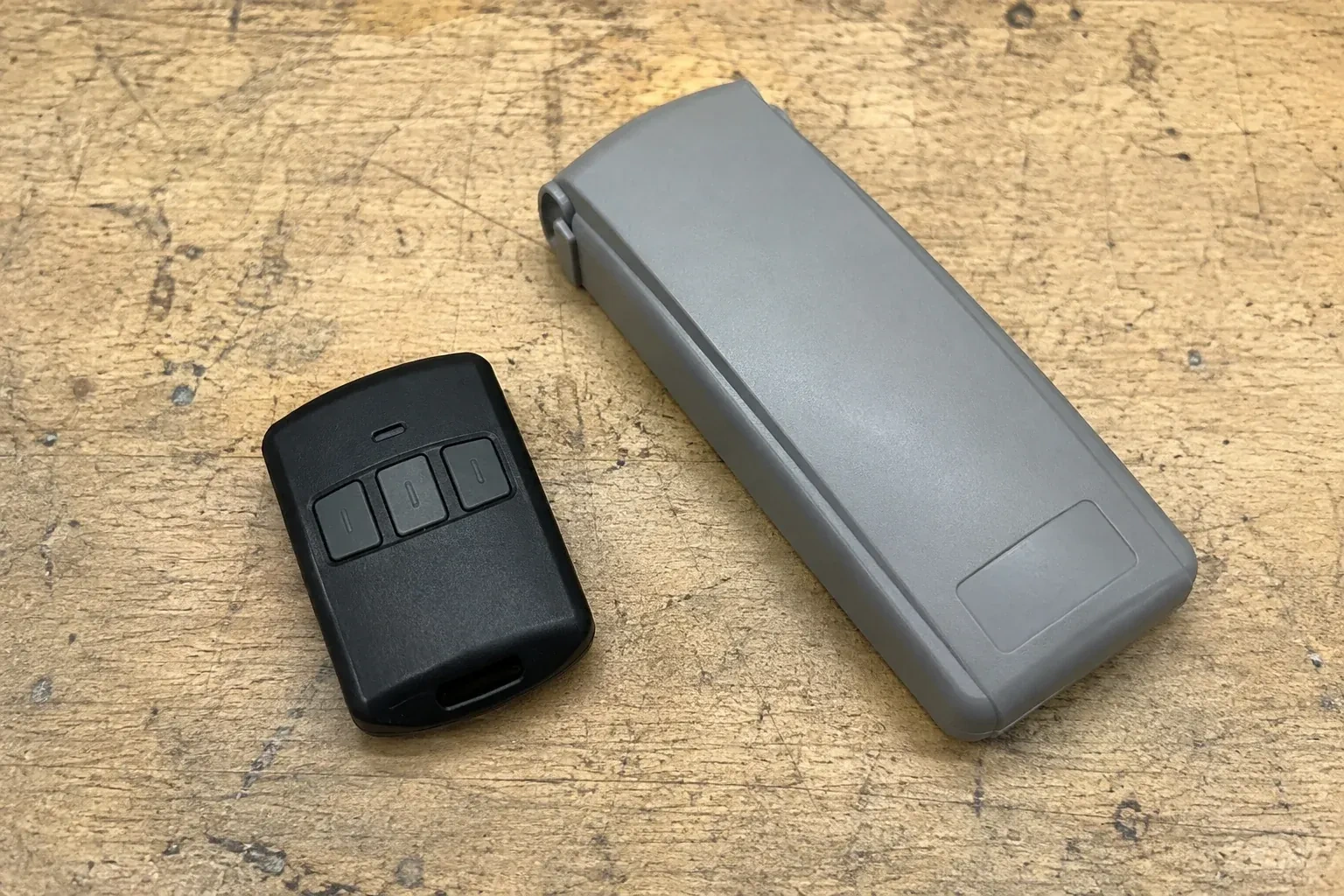 Plan aheadGarage Door Remote and Keypad Programming
Garage Door Opener Diagnosis and Repair near you
Toronto, Ontario
Toronto information
- Town
- Toronto, Ontario
- In business
- 19 years
- Hours
- Open 24/7 · nights, weekends and holidays, same fees
- Phone
- (289) 301-8323
- Visits
- On-site assessment preferred. Request a visit or call.
What the census means at the door
58%
Older homes. About 58% of homes in Toronto were built in 1980 or earlier, according to the 2021 Census.
Wood door frames in an older house settle and swell over the decades, which can leave a door rubbing on one side. Rather than forcing the opener, the technician trues the tracks, adjusts the jamb seals and sets the door so it travels freely again.
23%
Single-detached houses make up about 23% of homes in Toronto (2021 Census).
Where most homes are townhouses, condos or apartments, garage doors are often shared: a single overhead door or gate serving an underground or common garage. Those doors run on commercial operators built for constant use, and their upkeep is usually arranged through the building's management.
Nearby
Open 24/7
Request a visit
The door goes up perfectly.
Call now · open 24/7(289) 301-8323- On-site assessment preferred
- Same fees day, night or weekend
- 19 years in business