Book soon Openers · Toronto
Emergency Release Repair in Toronto
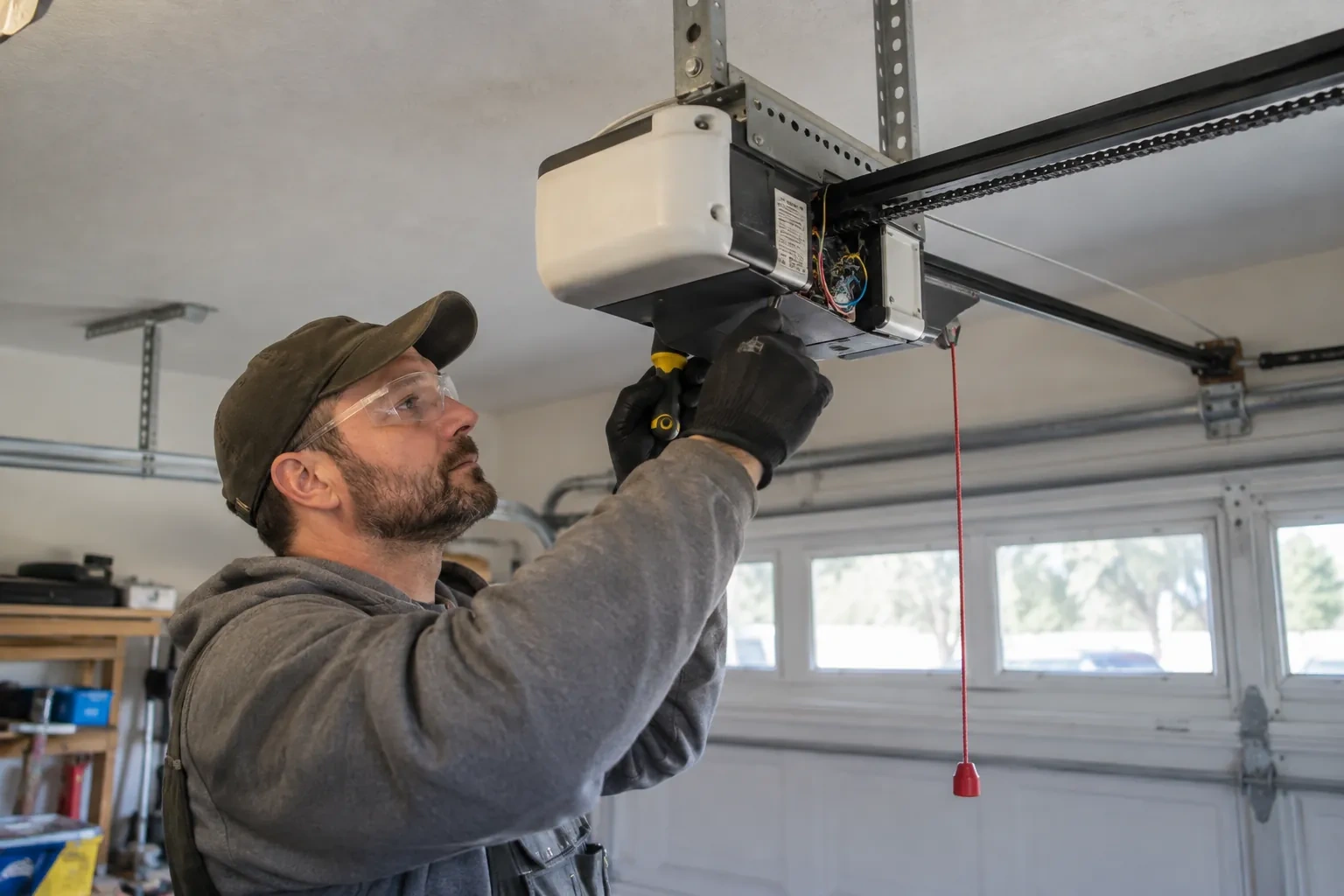
Someone pulled the cord last spring to get a car out during an outage, and the door has never properly rejoined the opener. Press the button and the trolley glides along the rail by itself while the door stays exactly where it is.
Call now · open 24/7(289) 301-8323Right now
Before the door is looked at
Call (289) 301-8323, open 24/7.
Pull the release with the door fully closed whenever possible, and keep the opening clear as you do. Once the trolley lets go, the door is held by its springs alone, and a closed door can still shift unexpectedly.
Lift a door by its handles or the gripping points on the panel face, never at the joint between sections, which closes as the door bends around the track.
Never drive a vehicle at a closed door to get out; the door collapses and the stored tension in the counterbalance is released. Use the release, the outside key release, or a technician.
In plain words
Beyond the repair, this service leaves every adult in the house able to use the release confidently. You see the handle pulled straight down with the door shut, the door lifted by its handle or a gripping point away from the panel joints, and the trolley clicked back together by pulling the cord toward the opener or running one cycle. You learn where the handle should hang, why it is red, and what to do if the door ever feels heavy when free. If there is an outside key release, its key gets a home outside the garage. The repair fixes a part; the walkthrough fixes the next outage.
How the visit goesAfter a week of lifting the door by hand you pressed the button, hoping it would catch. Instead the motor grinds, the trolley thumps against the end of the rail, and the little lever that should snap back stays stubbornly upright.
Emergency Release Repair · Toronto
How the visit goes
- 1
Why the trolley will not latch
When the complaint is a trolley that runs but never reconnects, the technician looks for the usual reasons. The cord may have been pulled back toward the opener, which on many rails deliberately holds the lever out for repeated manual use, and simply never returned. The trolley may have been driven into the stop bolt or stop tab at the end of the rail after the travel limits drifted, so it sits jammed with the motor humming. The latch teeth may be worn, or the release arm bent so it can no longer drop into place. Each of these has a different fix, and telling them apart takes a minute with the cover off.
- 2
Reconnecting and proving the latch
Reconnection is done the way the maker describes for that unit. On most rails the cord is pulled toward the opener so the lever drops back to horizontal, then the opener is run and the trolley picks up the carriage with an audible click on the next cycle; on others the trolley re-latches when the door is lifted until it meets the carriage. The technician watches the join through a full open and close, then pulls the release and reconnects again to be sure the sequence repeats. You are shown what the click sounds like and what a trolley that has only half-latched looks like, so you can tell the two apart.
- 3
Battery backup and outage-prone streets
If your street loses power a few times each winter, the technician may raise battery backup. Modern openers can carry a battery that opens and closes the door on stored power, which spares you the release altogether in most outages. The battery is a wearing part, generally replaced every few years, and the head unit signals when it is tired. The release remains the fallback when the battery is flat or the opener itself has failed, which is why both are kept in working order. You leave knowing which of the two your household relies on and how each one is checked.
In the van
- Track clamps to hold the door
- Garage door lubricant
- 2x4 offcut for the reversal test
- Dry lock lubricant and de-icer
- Chain or belt tension hardware
What affects the quote
- 1
Time of the call
A weekday daytime visit and an evening, weekend or holiday one cost the same amount for freeing or repairing an emergency release. The exact figure is confirmed once the technician has seen the trolley, the cord or lever, and how the door was left.
- 2
Door material for the outside release
Cutting a cylinder hole through a thin steel section is routine; an insulated door, a wood door or a glass-panel top section takes more care and sometimes a reinforcing plate.
- 3
Battery backup as an option
If outages are the reason you called, a battery backup pack for a compatible opener may be offered alongside the release repair. It is optional and appears as its own item.
Same fees day, night or weekend.
Emergency Release Repair: questions
Why should the door be closed before I pull the handle?
Because once the trolley lets go, the door is held only by its springs. A well-balanced door will stay put wherever it is, but a door whose springs are tired can drop, and one that is over-tensioned can rise on its own. Even with the door already on the floor it can still move unexpectedly, so keep the opening clear whenever the release is pulled. The industry checklist and opener makers give the same instruction: disconnect with the door fully closed.
What is an outside key release, and should I add one?
It is a keyed cylinder, mounted through the top section on a sectional door or at mid-height on others, with a cable running back to the trolley lever. Turn the key, pull the cylinder, and the door is free to lift from the driveway. It earns its place on any garage where the overhead door is the only way in, especially a detached garage. It can be fitted during the same visit, with two keys, once the door and opener are checked for a compatible kit.
Is the red handle safe with children around?
The handle has to be reachable from the floor, so it is not a thing to hide. What keeps children safe is understanding and habit: explain that the handle is for adults and for outages, keep remotes out of small hands, and mount the wall control about a metre and a half up. Never rely on balance alone if a child does pull it; keep the doorway clear and treat the release as an adult tool, which is one more reason the balance test matters.
Openers & Access
Bigger photo, sooner job: Emergency Book soon Plan ahead
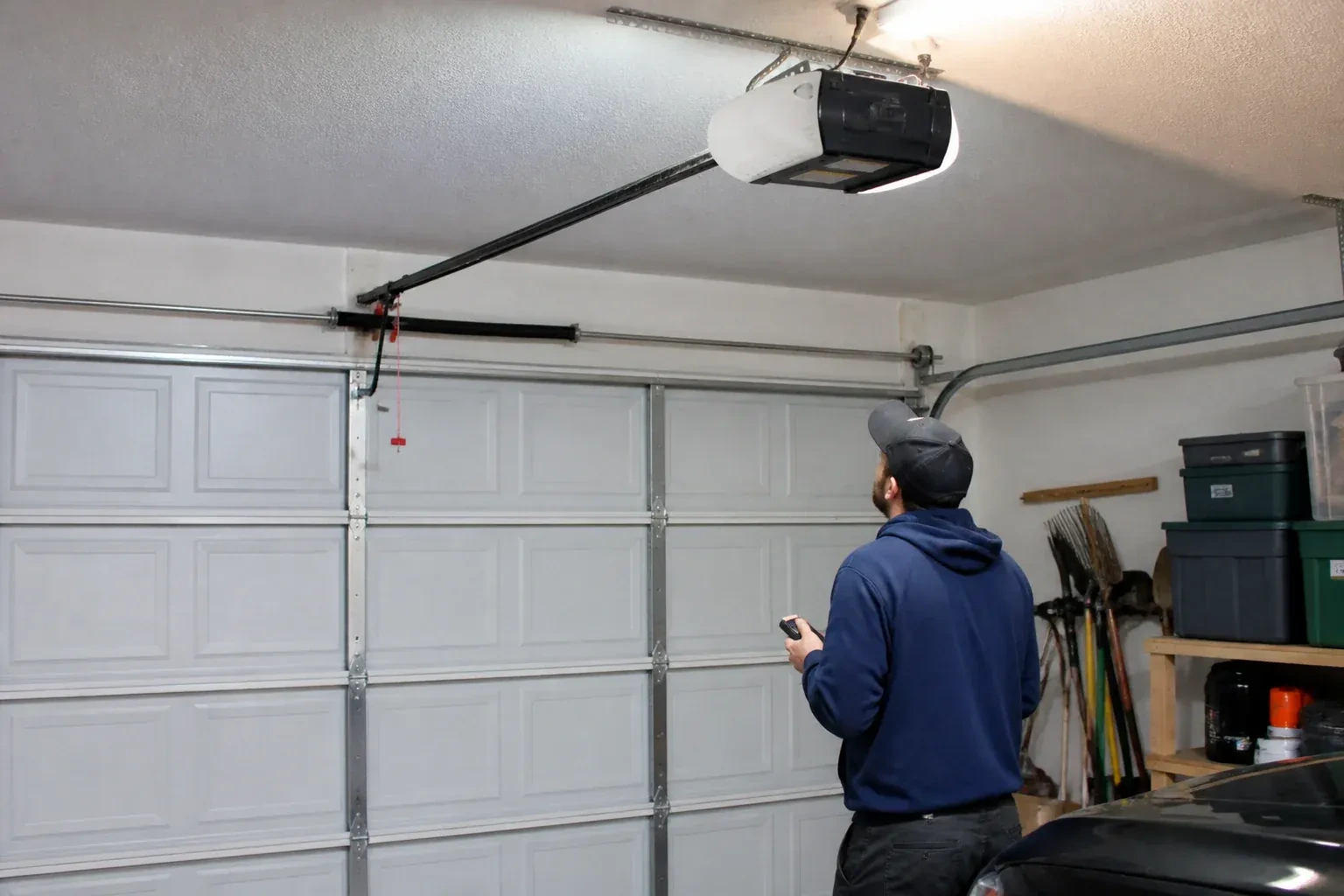 Book soonGarage Door Opener Diagnosis and RepairThe door goes up perfectly.
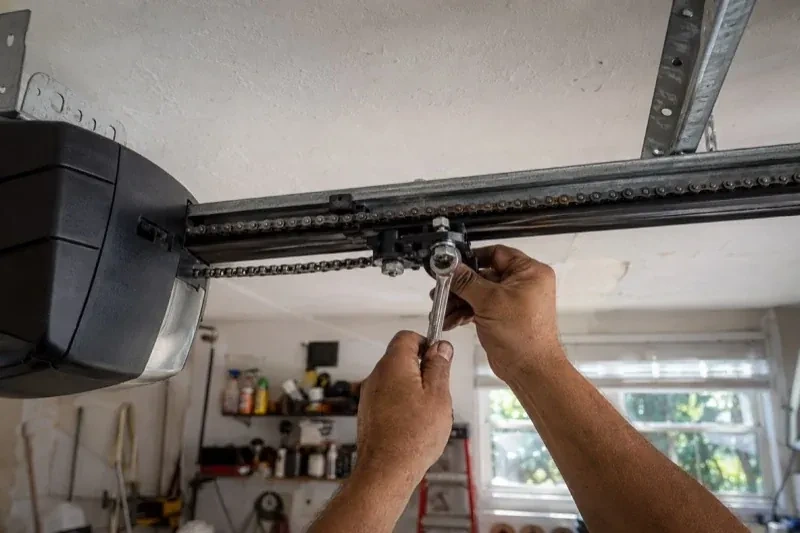 Book soonChain-Drive Opener RepairThe motor runs, you can hear it working, but the door never moves.
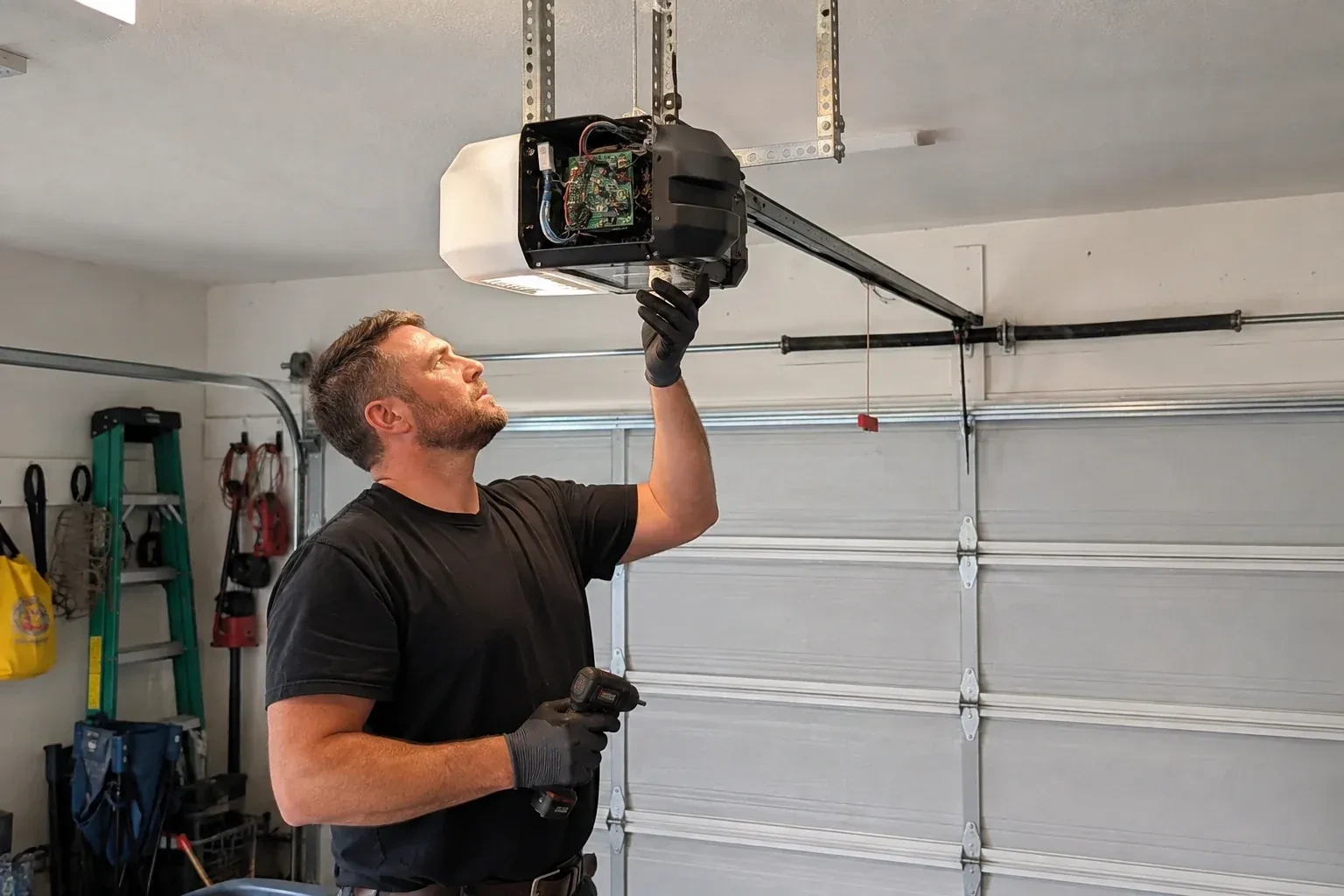 Book soonBelt-Drive Opener RepairHalfway up, every single time, the door hesitates and there is a ratcheting sound from the motor head, then it carries on.
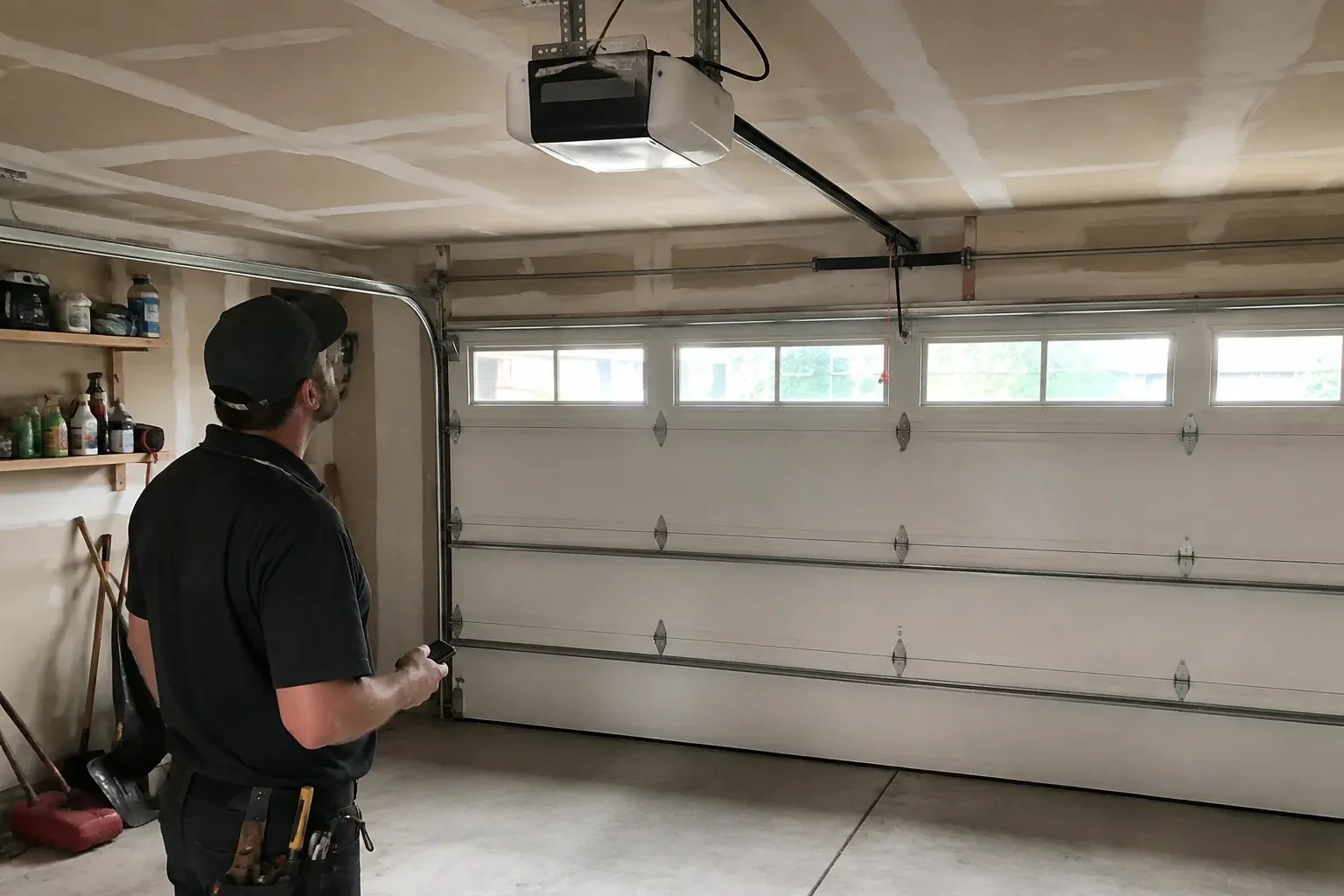 Plan aheadGarage Door Opener Replacement
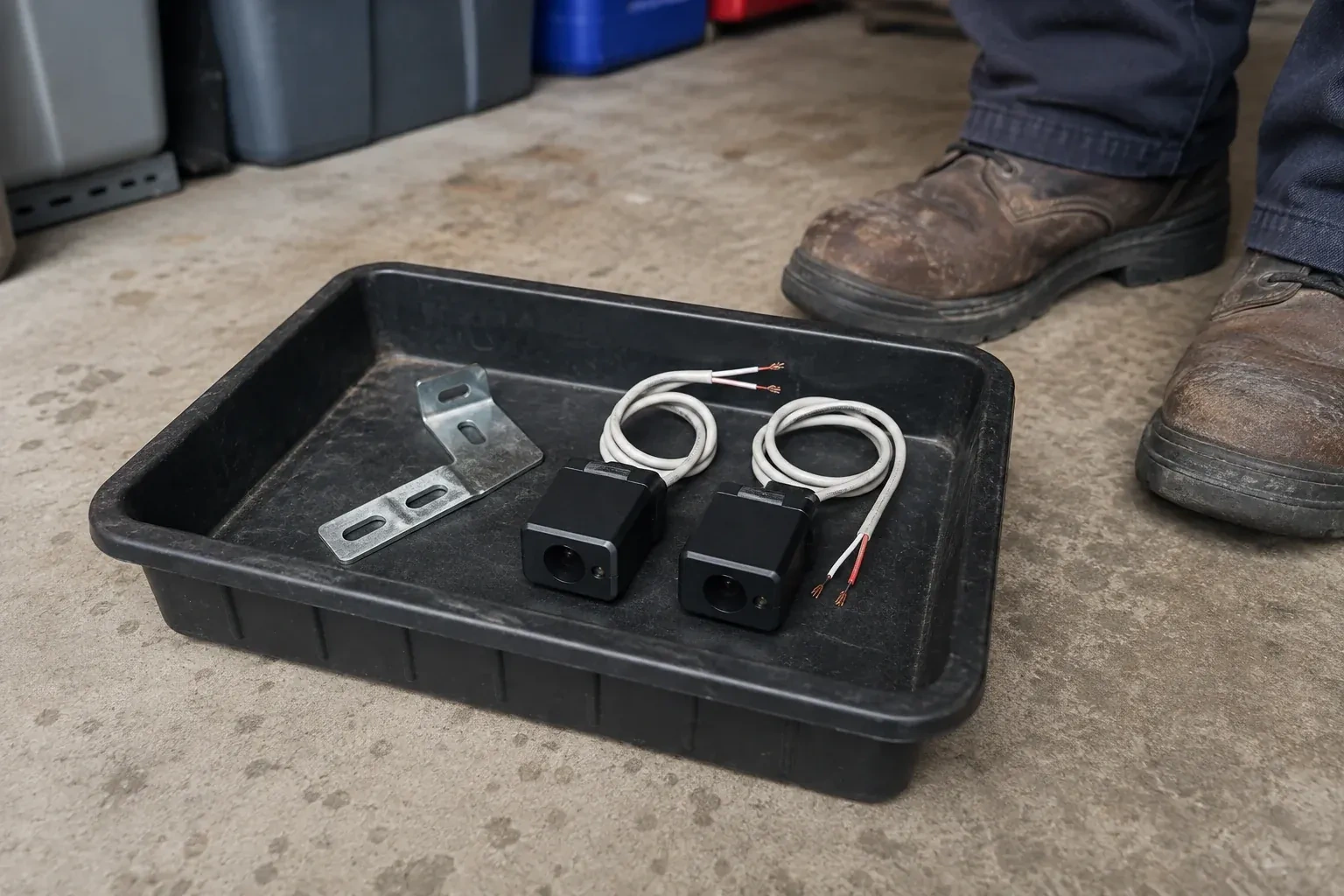 Book soonPhoto-Eye Sensor Alignment or ReplacementOn bright mornings the door will not close, then by lunchtime it behaves itself.
Emergency Release Repair near you
Toronto, Ontario
Toronto information
- Town
- Toronto, Ontario
- In business
- 19 years
- Hours
- Open 24/7 · nights, weekends and holidays, same fees
- Phone
- (289) 301-8323
- Visits
- On-site assessment preferred. Request a visit or call.
What the census means at the door
58%
Older homes. About 58% of homes in Toronto were built in 1980 or earlier, according to the 2021 Census.
Wood door frames in an older house settle and swell over the decades, which can leave a door rubbing on one side. Rather than forcing the opener, the technician trues the tracks, adjusts the jamb seals and sets the door so it travels freely again.
23%
Single-detached houses make up about 23% of homes in Toronto (2021 Census).
Where most homes are townhouses, condos or apartments, garage doors are often shared: a single overhead door or gate serving an underground or common garage. Those doors run on commercial operators built for constant use, and their upkeep is usually arranged through the building's management.
Nearby
Open 24/7
Request a visit
Someone pulled the cord last spring to get a car out during an outage, and the door has never properly rejoined the opener.
Call now · open 24/7(289) 301-8323- On-site assessment preferred
- Same fees day, night or weekend
- 19 years in business